
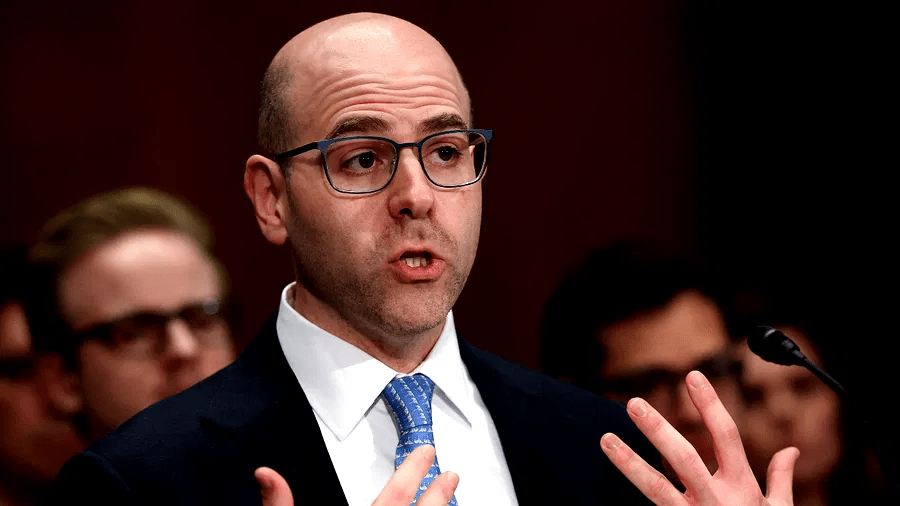
Stablecoins — cryptocurrencies pegged to the U.S. dollar — are growing in popularity. According to Stephen Miran, a governor of the Federal Reserve, this could lead to a decline in interest rates.
In a speech delivered at an economic event in New York, Miran explained that the rising demand for stablecoins could lower the “neutral” interest rate — the rate that neither stimulates nor restrains economic growth, also known as “r-star.”
Potential impact on interest rates
Miran suggests that if stablecoins continue to drive demand for U.S. Treasury bonds and other dollar-denominated assets, the Federal Reserve may need to lower its policy rate. This would help prevent an unintended slowdown of the economy. He compares the potential impact of stablecoins to “a multi-trillion-dollar elephant in the room” for central bankers, due to their growing influence on global financial markets.
Based on his analysis of previous research, Miran estimates that the growth of stablecoins could lower the Fed’s benchmark rate by 0.4 percentage points. Throughout his tenure at the Fed, Miran has been a strong advocate for aggressive interest rate cuts, arguing that the neutral interest rate is lower than many of his colleagues believe. In his recent statement, he extends this argument to digital finance. Stablecoins, he says, could structurally reduce the cost of long-term borrowing.
Accommodative monetary policy
Miran’s previous arguments focused on controlling inflation and ensuring that the Fed does not hinder economic growth through excessive interest rate hikes. The addition of stablecoin analysis to his reasoning strengthens the case for a more accommodative monetary policy. He emphasizes that even the most conservative forecasts for stablecoin growth point to an increase in the supply of loanable funds. This additional supply exerts downward pressure on the neutral interest rate.
As Miran concludes, if the neutral rate decreases, policy rates should also be adjusted downward to maintain a healthy economy. Failing to do so would have a contractionary effect. Miran is expected to leave the Federal Reserve in January, when his current term expires.

Do you know what staking is ? Staking on the blockchain refers to the process where participants lock up a certain amount of cryptocurrency to support the operations and security of a blockchain network. In return, they earn rewards, typically in the form of additional cryptocurrency. Staking is often associated with proof-of-stake (PoS) or similar consensus mechanisms used by many blockchains.
