
Cardano Foundation says it intends to apply to ICANN for .ada and .cardano generic domain names. It is now gauging community support for the move.
Cardano Foundation is preparing to apply for the .ada and .cardano generic Top-Level Domains (gTLDs).
This aligns with the protocol’s goal of strengthening its digital presence and establishing itself in the broader cryptocurrency industry.
According to an X post, the initiative will be fully funded by the Cardano Foundation.
Cardano Foundation Gauges Community Support for New Domain Names
Cardano Foundation has announced that it is in the process of pushing out an application for both .ada and .cardano generic domain names. It is currently in the phase of gauging community support, and to this end, the protocol attached a link where users can vote.
Once the support of the community is confirmed, payment for both gTLDs will be made, and an application will be submitted.
Per the post, “This initiative aims to enhance trust, accessibility, and innovation across the Cardano ecosystem.”
The ecosystem intends to leverage an upcoming application window opening from the Internet Corporation for Assigned Names and Numbers (ICANN).
For context, ICANN is a multistakeholder group that globally manages domain names, IP addresses, and the Domain Name System (DNS). This nonprofit organization is headquartered in the United States.
In the last 13 years, this agency has not allowed any application under the program Cardano Foundation is pushing for, but finally plans to do so by Q1 2026, hence the Cardano Foundation’s optimism.
It could be a unique opportunity for the Foundation to strengthen Cardano’s digital presence as well as unlock new innovations that link Web2 and Web3.
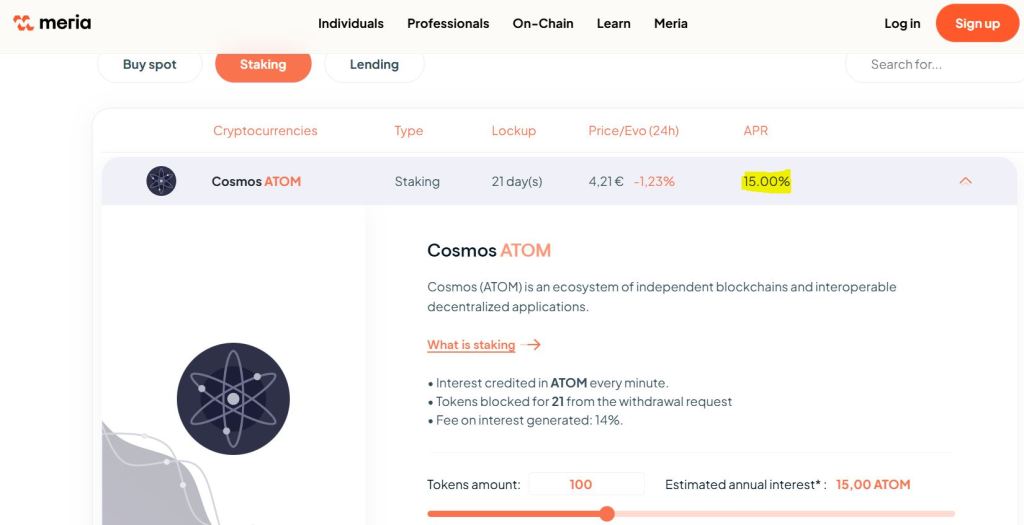
Do you know what staking is ? Staking on the blockchain refers to the process where participants lock up a certain amount of cryptocurrency to support the operations and security of a blockchain network. In return, they earn rewards, typically in the form of additional cryptocurrency. Staking is often associated with proof-of-stake (PoS) or similar consensus mechanisms used by many blockchains.
