

Cardano (ADA) achieved a Nakamoto coefficient of 21, outpacing Bitcoin at 3 and Ethereum at 2, according to the Edinburgh Decentralization Index report published today by Chainspect.
The Nakamoto coefficient is a measure of decentralization in a blockchain or distributed system.
It represents the minimum number of entities (e.g., miners, validators, or nodes) that together control more than 50% of a given resource or influence — such as block production, voting power, or stake.
🔍 Interpretation
- High Nakamoto coefficient → greater decentralization and resistance to collusion.
- Low Nakamoto coefficient → centralization risk and vulnerability to coordinated attacks.
🧠 Why It Matters
It quantifies decentralization numerically — allowing comparisons between networks or consensus mechanisms.
However, it’s not perfect, since it focuses on one dimension (e.g., consensus power) and may ignore:
- Governance control (who decides protocol changes)
- Development centralization (who maintains the code)
- Infrastructure concentration (cloud providers, geographic regions)
The higher coefficient shows that Cardano’s network relies on a wider distribution of validators, meaning less concentration of control compared with Bitcoin and Ethereum. The data places Cardano near the top of global decentralization rankings, just behind networks like Polkadot and Moonbeam. Despite this strength, ADA remains below $0.65, showing that market sentiment has not yet reflected the decentralization findings.
Analysts suggest watching whether Cardano’s decentralization advantage will lead to more institutional adoption or higher network activity. Upcoming data on staking participation and on-chain growth could reveal if ADA’s decentralization edge turns into stronger market momentum.
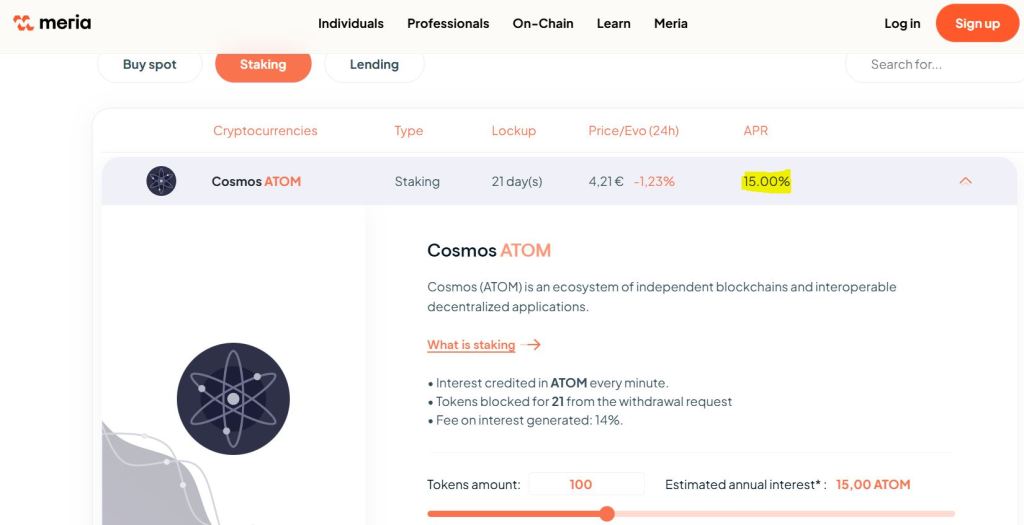
Do you know what staking is ? Staking on the blockchain refers to the process where participants lock up a certain amount of cryptocurrency to support the operations and security of a blockchain network. In return, they earn rewards, typically in the form of additional cryptocurrency. Staking is often associated with proof-of-stake (PoS) or similar consensus mechanisms used by many blockchains.
