
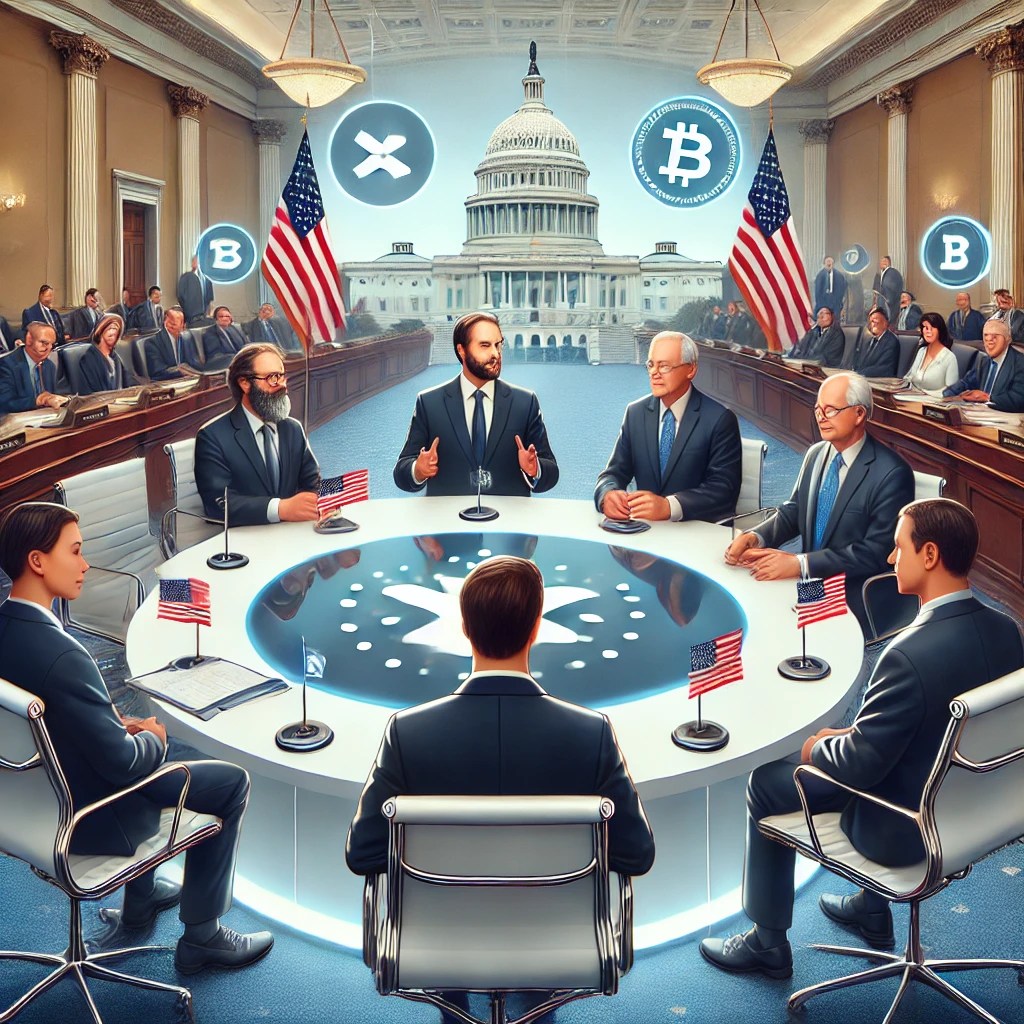
It’s historic. Today, October 21, in Washington, the U.S. Federal Reserve is hosting the most influential players in the crypto space for an unprecedented conference on payment innovation. Sergey Nazarov from Chainlink, along with the heads of Circle, Paxos, and Coinbase — all will be front and center. Stablecoins, tokenization, AI… an agenda that speaks volumes about the new era the Fed seems ready to embrace.
The Payments Innovation Conference will be held at the Federal Reserve’s headquarters in Washington — an unprecedented event officially bringing together the giants of the crypto ecosystem alongside traditional financial institutions.
The program promises to be ambitious. At 9:20 a.m., Sergey Nazarov, co-founder of Chainlink, will kick things off with a panel discussion titled “Bridging Traditional Finance and the Digital Asset Ecosystem.”
He will be joined by executives from BNY Mellon and Fireblocks — a strong signal that the Fed now recognizes blockchain as a legitimate component of the modern financial system.
Stablecoins will also take center stage. Charles Cascarilla of Paxos and Heath Tarbert of Circle will debate their respective business models — a timely discussion, as the Fed recently criticized the shortcomings of the GENIUS Act, which is intended to regulate these digital assets.
The afternoon will feature two other major panels. Alesia Haas, CFO of Coinbase, will discuss artificial intelligence in payments alongside Cathie Wood of Ark Invest. The day will conclude with a session on asset tokenization, featuring Rob Goldstein of BlackRock and representatives from Franklin Templeton and JPMorgan.
BlackRock, the catalyst of a historic transformation
This conference is part of a dynamic set in motion back in January 2024, when BlackRock disrupted the financial landscape with the launch of its Bitcoin ETF, IBIT.
By publicly validating exposure to Bitcoin, the world’s largest asset manager granted cryptocurrencies an institutional legitimacy that regulators could no longer ignore.
The domino effect followed swiftly. American banks, long hesitant, gradually integrated digital assets into their offerings. Even the SEC had to adapt. Under President Trump’s administration, with Paul Atkins at its helm, the Commission abandoned the combative stance it had inherited from the Gary Gensler era.
Unlike the SEC, the Fed had never truly confronted the crypto sector — it had merely ignored it. That indifference is now coming to an end. The institution must now face a new reality: stablecoins facilitate billions of dollars in daily transactions, tokenization is attracting the wealthiest investors, and blockchain is reshaping payment infrastructure.
BlackRock is particularly pushing the frontier of tokenization. The asset manager is preparing its own dedicated platform. Its participation in the conference’s final roundtable is no coincidence — it reflects a growing convergence of interests between traditional finance and blockchain innovation.
The Fed’s openness represents far more than just a single event. It marks the entry of cryptocurrencies into the American financial mainstream. The central bank — guardian of the dollar and cornerstone of global monetary stability — now accepts dialogue with a sector it had long kept at arm’s length.
And the consequences could be global. If the Fed approves certain uses of digital assets, other central banks will follow. One figure illustrates this trend: 172 companies now hold 1.02 million bitcoins as of the third quarter of 2025. Institutional adoption is no longer a hypothesis — it’s a reality.
Fed considering a new account for payments innovators
Federal Reserve Governor Christopher Waller announced that the Fed is exploring a new, lighter‐weight type of account (“payment account” or “skinny master account”) for payment innovators—including fintechs and digital-asset companies—to access the Fed’s payments infrastructure.
Why it matters
- Currently, market participants (especially non-banks, fintechs, crypto-related firms) must rely on a traditional bank that holds a “master account” at the Fed, which poses a barrier.
- By offering a streamlined account with fewer privileges (no interest paid, capped balances, no overdraft or discount-window borrowing) the Fed would lower the barrier for innovators and potentially open up competition in payments.
- It signals the Fed’s recognition that the payments system is evolving (digital assets, fintechs) and that central banking infrastructure may need to adapt.
How it would work
- The new accounts would be tailored to “lower risk” firms and have a streamlined review process.
- Features likely to distinguish them from full master accounts:
- No interest on balances.
- Caps on the size of balances.
- No access to overdrafts or Fed discount window borrowings.
- It is still in the prototype/idea stage. The Fed will engage stakeholders to gather input.
Governor Waller emphasized this is an early concept. The Fed will solicit feedback from interested parties and explore how to implement the idea.
Here are the potential implications and challenges of the Fed’s proposed “skinny master account” framework :
🔹 Implications
1. More direct access for fintechs and digital asset firms
- Non-banks (like payment apps, stablecoin issuers, and fintech startups) could connect directly to the Fed’s payment rails instead of relying on partnerships with traditional banks.
- This could lower costs and speed up settlement times for new payment services.
- It might also level the playing field, encouraging innovation in the U.S. payments sector.
2. Increased competition in financial infrastructure
- Smaller firms could compete more effectively with big banks and established payment networks (Visa, Mastercard, etc.).
- The proposal could help diversify the payments ecosystem, reducing systemic reliance on a handful of large intermediaries.
3. Closer regulatory oversight of fintechs
- Firms granted such accounts would likely face tighter scrutiny from the Fed, even if the accounts carry fewer privileges.
- It could create a clearer framework for bringing fintech and crypto firms under the umbrella of U.S. monetary supervision.
4. Strategic positioning vs. central bank digital currency (CBDC)
- A “skinny account” system could serve as a middle ground between today’s bank-centric model and a full retail CBDC.
- It would give non-banks access to central bank money without the Fed directly serving consumers.
🔹 Challenges & Risks
1. Risk management and oversight
- The Fed would need robust vetting to prevent fraud, money laundering, or systemic risk from non-bank participants.
- Determining which firms are “low risk” enough for these accounts could be politically sensitive.
2. Pushback from traditional banks
- Banks may oppose the move, arguing it undermines their role as intermediaries and could reduce their deposit base.
- There’s also concern that fintechs could gain unfair access to the Fed system without full regulatory obligations like capital requirements.
3. Legal and political hurdles
- Congress or banking regulators may need to weigh in if the change redefines what types of institutions can hold Fed accounts.
- Previous disputes (e.g., the Custodia Bank case) show how controversial non-bank access to Fed services can be.
4. Implementation complexity
- Designing a “scaled-down” account that maintains financial stability but encourages innovation is technically and operationally complex.
- The Fed must balance speed of innovation with safety and trust in the U.S. payments system.
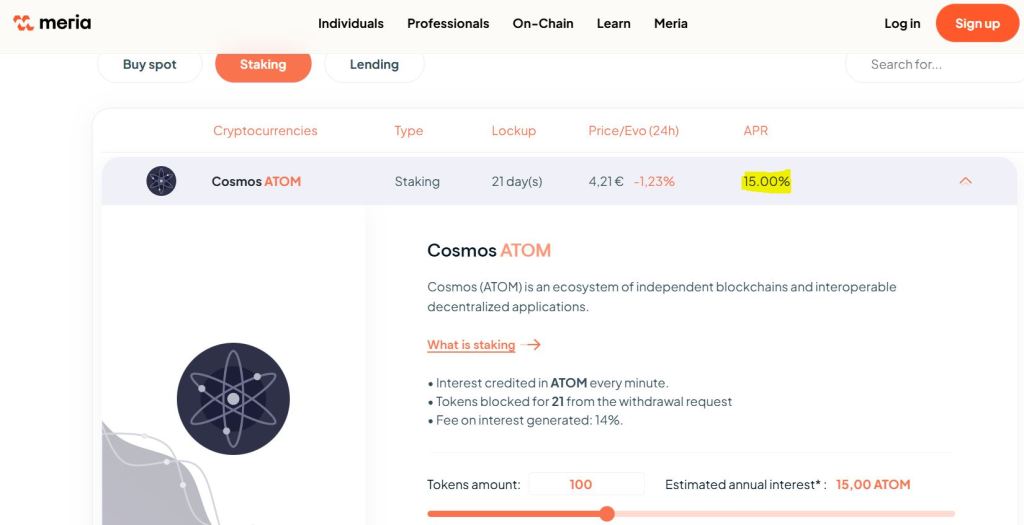
Do you know what staking is ? Staking on the blockchain refers to the process where participants lock up a certain amount of cryptocurrency to support the operations and security of a blockchain network. In return, they earn rewards, typically in the form of additional cryptocurrency. Staking is often associated with proof-of-stake (PoS) or similar consensus mechanisms used by many blockchains.
