
The crypto industry is seeing a major shift in Europe as two of its biggest blockchain projects Cardano and Ripple (XRP) move closer together under a shared goal. The Cardano Foundation recently announced that it has joined the MiCA Crypto Alliance, a group originally co-founded by Ripple and several other leaders in the blockchain sector.
This new collaboration could mark an important turning point for the future of regulated blockchain innovation in Europe. With both networks known for very different strengths Cardano’s focus on research and security, and Ripple’s dominance in global payments the partnership has started important discussions across the crypto world. Could this be the foundation of a future Cardano-XRP partnership that reshapes Web3 and decentralized finance (DeFi) across Europe?
Understanding the MiCA Crypto Alliance
The Markets in Crypto-Assets (MiCA) regulation, created by the European Union, sets a unified legal framework for all digital assets and crypto services in Europe. It is designed to protect users, reduce scams, and make the region safer and more predictable for crypto businesses. To support innovation under this new regulation, Ripple and other blockchain organizations launched the MiCA Crypto Alliance in 2024. The group’s mission is to help companies comply with MiCA’s rules while encouraging fair innovation. It offers tools, research, and policy advocacy to guide crypto builders through the complex regulatory environment.
When Cardano joined the alliance on October 14, 2025, it brought a new level of credibility and expertise. The Cardano Foundation, led by Frederik Gregaard, is known for its academic approach to blockchain design. By joining Ripple and members like Chainalysis, Cardano adds a scientific voice to an already diverse coalition. The timing is critical, MiCA’s full rollout is set for 2026, with some stablecoin and exchange rules already in effect. This makes collaboration between blockchain networks more important than ever.
The partnership between Ripple and Cardano under the MiCA alliance isn’t a formal business partnership at least not yet. However, it creates a shared platform where both projects can work together on policy, interoperability, and compliant blockchain use in Europe. Ripple has long been focused on payments, especially cross-border transactions, while Cardano is known for its smart contracts and academic rigor. If these strengths are combined, it could lead to major breakthroughs in regulated DeFi, tokenized assets, and blockchain-based banking.
Ripple’s Monica Long, President of Ripple, highlighted that Cardano’s participation strengthens the industry’s ability to create “user-focused and compliant blockchain solutions.” Gregaard echoed this by emphasizing that the future of crypto depends on finding the right balance between innovation and regulation.
This development could have far-reaching effects beyond Cardano and Ripple. By joining forces under a regulatory framework, both platforms send a message: blockchain innovation and government compliance can coexist. If the MiCA Crypto Alliance succeeds, it could encourage more global companies to build in Europe, possibly attracting billions in new DeFi investments. Analysts estimate that compliant digital asset markets could reach over $50 billion in value by 2026.
However, the road ahead is not without challenges. The alliance must prove it can deliver practical tools for developers, clear standards for compliance, and real results for investors. If these goals are met, Cardano and Ripple could become the key players driving Web3 adoption across Europe.
Cardano’s entry into Ripple’s MiCA Crypto Alliance represents more than just a symbolic partnership. It marks the beginning of a potential new era in which innovation meets regulation. For now, it is an alliance built on shared vision rather than direct integration. But if the collaboration deepens, it could lay the foundation for the first large-scale, compliant DeFi ecosystem in Europe, powered by two of the most influential names in blockchain.
As MiCA reshapes crypto in the EU, this strategic alignment between Ripple and Cardano may not just influence policy, it could define the next chapter of Web3.
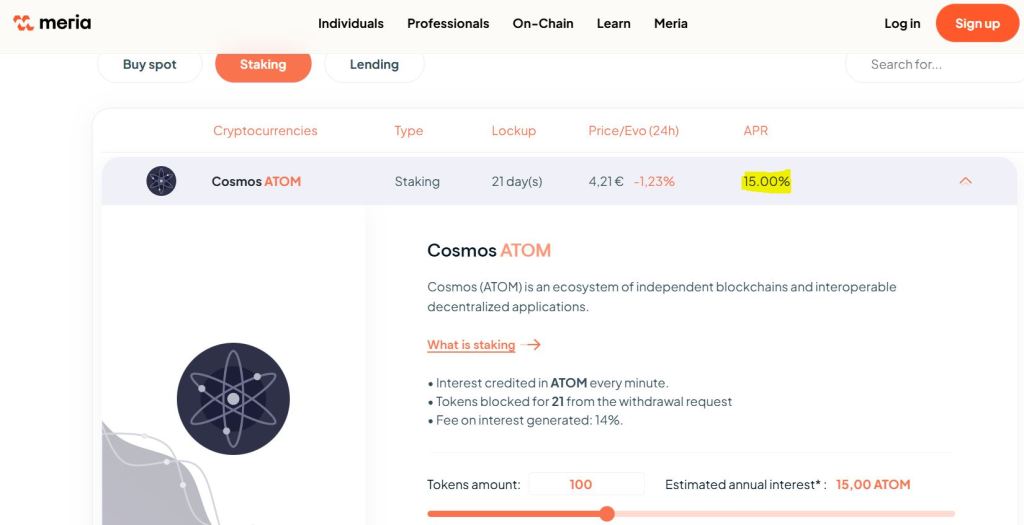
Do you know what staking is ? Staking on the blockchain refers to the process where participants lock up a certain amount of cryptocurrency to support the operations and security of a blockchain network. In return, they earn rewards, typically in the form of additional cryptocurrency. Staking is often associated with proof-of-stake (PoS) or similar consensus mechanisms used by many blockchains.
