

Browser users can store and manage ADA, Cardano native assets, and participate in the governance of this network.
The team behind the Brave browser announced on October 2 that the Cardano network is now integrated into its wallet. From there, users can manage the ADA cryptocurrency, other native Cardano assets, and even participate in the network’s governance, according to the announcement.
Cardano is now available on desktop browsers and can be accessed through the browser wallet icon, as shown in the image below (red arrow). No extensions are required for download.
At the time of writing, the Brave wallet supports a total of 13 cryptocurrency networks, including Bitcoin, Ethereum, Solana, BNB Chain, Zcash, among others.
In addition to facilitating the management of ADA and other assets, Brave highlights that the integration of the Cardano network “makes it significantly easier for eligible users to interact with Midnight, the privacy-enhanced blockchain project developed with the support of IO, and to participate in Midnight’s Glacier Drop.”
Midnight’s Glacier Drop is a phased distribution and community onboarding program for NIGHT, Midnight’s native token.
To claim it, participants must prove control of an eligible wallet and provide a Cardano address to receive the tokens and follow the redemption schedule.
With native support for Cardano in Brave Wallet, that address can be created, allowing users to receive and manage NIGHT.
Charles Hoskinson, CEO of Cardano, stated that “bringing Cardano natively to Brave Wallet is a win for usability, governance, and growth. It gives millions of privacy-conscious users an easy way to hold ADA, use Cardano’s native assets, and participate in on-chain decision-making.”
As reported by CriptoNoticias, Midnight is a Cardano sidechain focused on privacy and powered by zero-knowledge proofs. This chain is supported by Google Cloud, which will run a validator on the network and stake ADA.
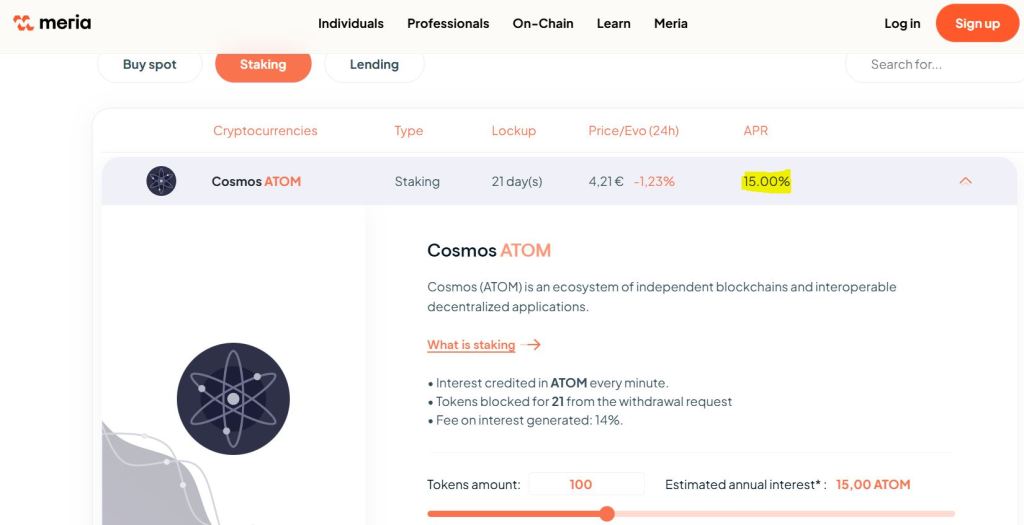
Do you know what staking is ? Staking on the blockchain refers to the process where participants lock up a certain amount of cryptocurrency to support the operations and security of a blockchain network. In return, they earn rewards, typically in the form of additional cryptocurrency. Staking is often associated with proof-of-stake (PoS) or similar consensus mechanisms used by many blockchains.
