

Tenev argues that tokenization—i.e. converting real-world assets (stocks, real estate, etc.) into digital tokens on blockchains—will restructure the financial industry.
“Tokenization”—the act of taking an asset like a stock, bond, or even deed to a piece of property, and creating a digitized version secured to the blockchain—was in the spotlight earlier this year when Robinhood Markets announced it would offer investors in Europe a chance to purchase tokenized equity in some of the hottest private firms like SpaceX and OpenAI.
The excitement helped propel a big jump in Robinhood’s stock, even as OpenAI publicly distanced itself from the plan and warned the tokens aren’t real equity.
Months later, Tenev has doubled down on his view of tokenization, saying that he believes the trend is coming for the whole financial system.
“Tokenization is like a freight train,” he said at the TokenWorld 2049 crypto conference in Singapore on Wednesday. “It can’t be stopped, and eventually it’s going to eat the entire financial system.”
The process of tokenizing an asset refers to creating a digital token and securely storing it on a digital ledger. It allows assets to be traded outside of normal market hours and is intended to increase transaction speed.
For Robinhood, it represents an opportunity to offer retail investors exposure to non-public companies and easier access to US-listed stocks to overseas investors.
In Tenev’s view, linking traditional assets to blockchain infrastructure will expand the addressable market from single-digit trillions to tens of trillions of dollars.
Robinhood has already begun moving in this direction by offering tokenized equity access (for example, to private companies) and developing its blockchain infrastructure to support further tokenization.
He predicts that over the next 5 to 10 years, tokenization will become commonplace, blurring the lines between “crypto” and “traditional finance.”
Tenev acknowledged that it will likely take time for everyone to become comfortable with the tokenization process, noting that some companies have raised concerns. Critics have also warned that such tokens aren’t actually equity, and their prices are merely a reflection of the actual stock and could fluctuate more.
Still, Tenev said that he thinks the technology will be commonplace within the next five to 10 years.
“What’s clear is that customers want it,” he said. “It’s going to be a big market.”
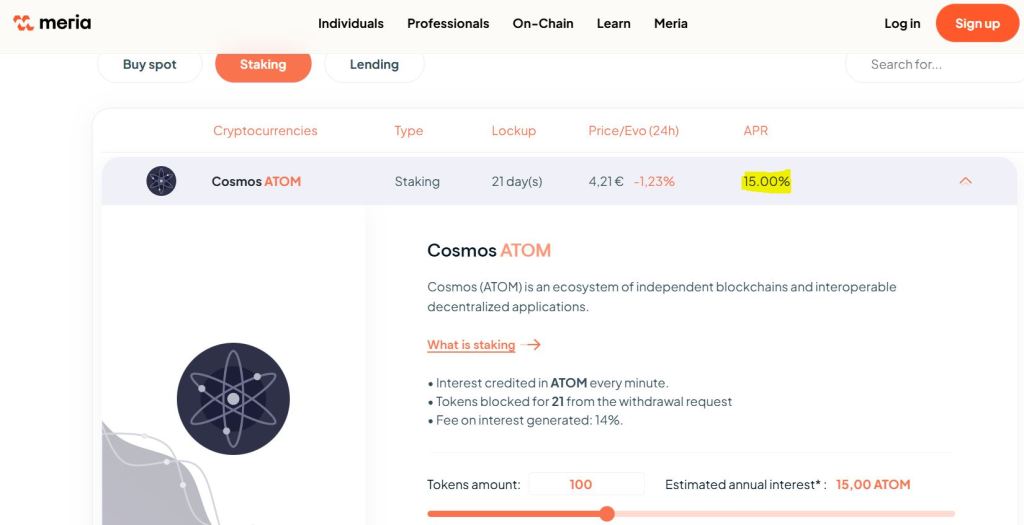
Do you know what staking is ? Staking on the blockchain refers to the process where participants lock up a certain amount of cryptocurrency to support the operations and security of a blockchain network. In return, they earn rewards, typically in the form of additional cryptocurrency. Staking is often associated with proof-of-stake (PoS) or similar consensus mechanisms used by many blockchains.
