

Charles Hoskinson stated that a dedicated team of 19 people is developing “Bitcoin DeFi,” which would allow users to transact directly in Bitcoin (CRYPTO: BTC), pay fees in Bitcoin, and earn yield in Bitcoin by using Cardano’s infrastructure.
The UTXO advantage sets Cardano apart from its rivals
Hoskinson explained that Cardano’s extended UTXO framework makes it the ‘largest programmable ledger,’ giving it scalability advantages over rivals such as Ethereum and Solana.
With Bitcoin’s Taproot upgrade, which is also based on the UTXO standard, he argued that Cardano is positioned to capture part of Bitcoin’s $4 trillion market while serving as a bridge between Bitcoin and smart contracts.
Why it’s important
The $4 trillion Bitcoin market has so far remained largely untouched by DeFi.
Cardano’s willingness to integrate Bitcoin could mark the first serious attempt to unlock this pool of capital.
Instead of being limited to storing and transferring value, Bitcoin could become fully usable within yield-generating ecosystems.
For Cardano, this is not just a technical integration, but a gateway to billions in new liquidity. The scale of this liquidity has the power to push DeFi’s growth ceiling far beyond Ethereum alone.
If realized, this would be the moment when Bitcoin stops standing outside of finance and begins to power it.
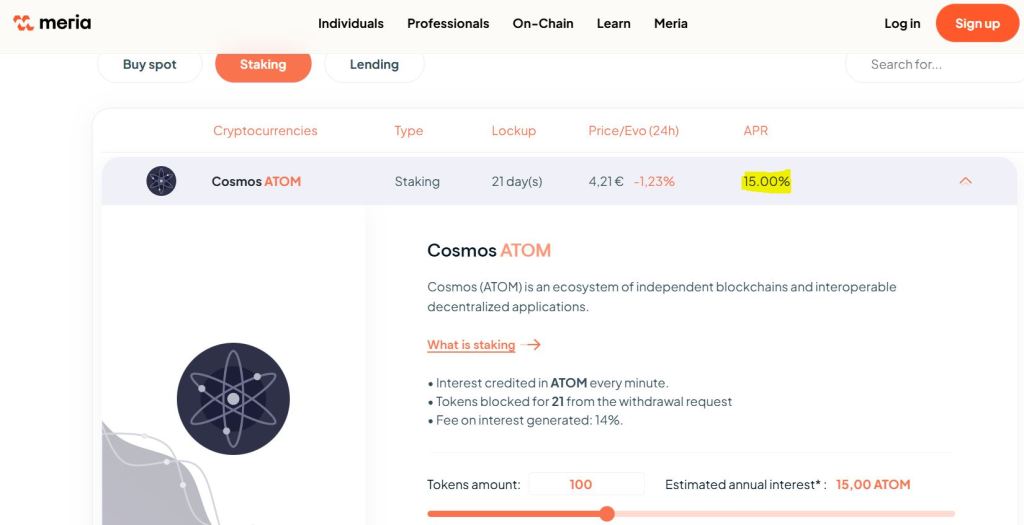
Do you know what staking is ? Staking on the blockchain refers to the process where participants lock up a certain amount of cryptocurrency to support the operations and security of a blockchain network. In return, they earn rewards, typically in the form of additional cryptocurrency. Staking is often associated with proof-of-stake (PoS) or similar consensus mechanisms used by many blockchains.
