

Following the controversial accusations, the results of the third-party forensic review of the Cardano (ADA) voucher redemption program have been made public. Cardano’s founder, Charles Hoskinson, says he’s now “waiting for the apologies to come rolling in.” Cardano Accusations Have ‘No Basis’.
The investigative report, conducted by law firm McDermott Will & Schulte and the audit firm BDO, determined that the allegations against Input Output Global (IOG) don’t have any foundation.
“After review of tens of thousands of documents, a forensic on-chain and traditional forensic analysis, and eighteen formal interviews of current employees, former employees, Voucher Holders, service providers, community members, and other third parties, the Investigation determined that each of the allegations related to the Topics of Investigation do not have any basis,” the report reads.
Public accusations included five main allegations, including that insiders stole or misused ADA that should have been allocated to voucher holders and that there were improper sale tactics related to the voucher program.
The claims also accused Cardano blockchain upgrades of being designed to make voucher redemption difficult, and deleted voucher holders’ “private keys” or assets. Lastly, the allegation that Cardano insiders had no legal right to send unredeemed ADA to CDH and decide how to spend it.
The controversy emerged in May, when Non-Fungible Token (NFT) artist Masato Alexander alleged that Charles Hoskinson had “unilaterally used his genesis keys to REWRITE the Cardano ledger” during the Allegra hard fork in 2021 to take control of 318-350 million ADA, about 0.2 percent of the Initial Coin Offering (ICO) allocation that remained unclaimed years after launch.
Hoskinson denied Alexander’s claims, arguing that 99.8% of the vouchers sold were redeemed by their original buyers, while the remaining 0.2% were “returned to the TGE and donated to Intersect through the same process that funded the Cardano Foundation.”
The Review Findings
Based on the Investigation, McDermott Will & Schulte and BDO found that the sources of the public allegations against IOG and Charles Hoskinson didn’t originate from unredeemed voucher holders, and they “did not identify evidence indicating that Input Output or Sawyers turned away any potential Voucher Holder who possessed a valid Voucher.”
Additionally, they concluded that reasonable guardrails were implemented to prevent deceptive marketing and sales tactics, noting that the program was not designed to exploit the elderly.
The audit also revealed that 97.3% of all the vouchers, or 98.8% of the ADA allocated, were redeemed on-chain during the Byron era, and “substantial efforts were undertaken to cause Voucher Holders to redeem on-chain” at the time.
As of August 15, 2025, 99.2% of Vouchers consisting of 99.7% of all ada sold pursuant to the Voucher Program have been redeemed through the on-chain redemptions and Post-Sweep Redemption Project.
Meanwhile, the review highlighted that the voucher certificates contained redemption codes instead of “private keys,” refuting the accusation that these keys were later deleted. It also concluded that Cardano insiders did not misappropriate the staking rewards from the unredeemed ADA.Time To Move On, Says Hoskinson
Hoskinson shared the audit result, reading the announcement of IOG’s Chief Legal Officer & Chief Policy Officer, Joel Telpner, and the executive summary of the 128-page document.
Cardano’s founder said that it’s been a “deeply frustrating” process, noting that “It’s one thing to attack my intelligence, my physical appearance, my business acumen, my integrity. It’s another thing to accuse me of a crime.”
“This is over. And for the people who stirred this pot: do the right thing, and just apologize. Have some common fucking decency as a human being. Apologize. Let’s just all move on, say you were wrong. Have enough integrity to do that,” he asked.
Hoskinson shared his hope that most people will realize that the accusations were taken “too far,” concluding that “Hopefully, we can now just put this nightmare behind us.”
Why Transparency Is Key in Crypto Business Compliance
Transparency isn’t just a nice-to-have; it’s a foundational element of trust in the crypto space. The audit is introducing best practices like independent oversight committees and open communication with stakeholders—critical elements to showcase fiscal responsibility. This is especially important in Asia, where regulators are increasingly demanding clear and verifiable financial statements.
This push for transparency doesn’t just tackle community concerns; it also offers a blueprint for compliance that other crypto startups could emulate. By adopting similar transparency initiatives, these startups can boost their credibility and foster a more trustworthy environment for investors.
The Role of Regulatory Compliance for Crypto Startups
The ADA audit is also serving as a template for regulatory compliance, particularly for Asian markets like Singapore and Japan, where regulations are tough. The audit’s methodology for confirming treasury management and transaction integrity can guide startups in implementing solid compliance systems. This is crucial for maneuvering through the regulatory maze while still innovating.
Furthermore, Cardano’s dedication to transparency might sway regulators to take a more favorable look at crypto projects prioritizing accountability. This could open doors to greater institutional investment and help stabilize the market.
The Impact on DAO Payroll Practices
How might the ADA audit influence DAO payroll practices? Well, it could be significant. The audit brings transparency and accountability to the forefront, encouraging DAOs to adopt more open financial reporting and asset management practices. This shift could foster better investor confidence and community engagement, both essential for long-term success.
Additionally, the audit underscores the importance of compliance in crypto payroll systems, especially for SMEs using ADA. DAOs might have to tighten their controls and documentation to meet regulatory requirements, helping to mitigate risks tied to volatility and mismanagement.
Weighing the Risks of Increased Regulatory Scrutiny
While Cardano’s transparency efforts could elevate its status, they also open the door to potential risks. More regulatory scrutiny might reveal discrepancies or compliance issues during audits, leading to fines or restrictions that could impede Cardano’s growth. With the regulatory landscape changing, including frameworks like the EU’s Markets in Crypto-Assets (MiCA), compliance stakes are high and the risks of regulatory backlash are real.
If scrutiny uncovers issues, Cardano could find itself in a credibility crisis, causing ADA’s price to falter and growth to stall. This could spark volatility in the broader altcoin market, even if major cryptocurrencies like Bitcoin hold steady.
Summary: The Future of Crypto Payroll and Compliance
Cardano’s ADA audit is a significant step toward establishing transparency and compliance in the crypto world. By setting new accountability standards, Cardano is addressing community concerns while also influencing financial management practices in DAOs and crypto startups. But let’s not ignore the potential risks that come with increased regulatory scrutiny.
As the crypto landscape evolves, Cardano’s push for transparency could lead to a more trustworthy and compliant industry. The success of these initiatives hinges on the audit’s thoroughness, Cardano’s ongoing commitment to transparency, and the clarity of the information shared. Ultimately, Cardano’s efforts could reshape how crypto payroll and compliance are approached, fostering a more stable ecosystem for all involved.
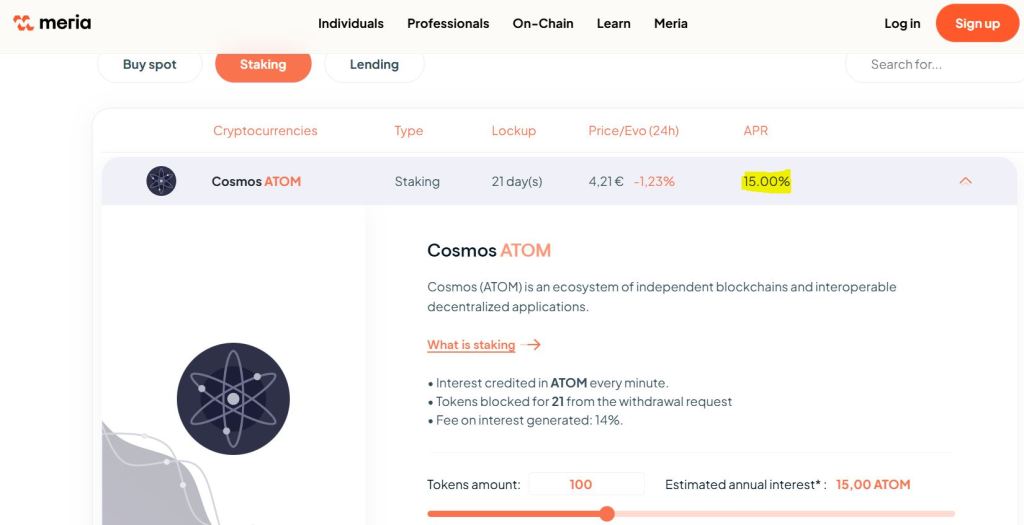
Do you know what staking is ? Staking on the blockchain refers to the process where participants lock up a certain amount of cryptocurrency to support the operations and security of a blockchain network. In return, they earn rewards, typically in the form of additional cryptocurrency. Staking is often associated with proof-of-stake (PoS) or similar consensus mechanisms used by many blockchains.
