
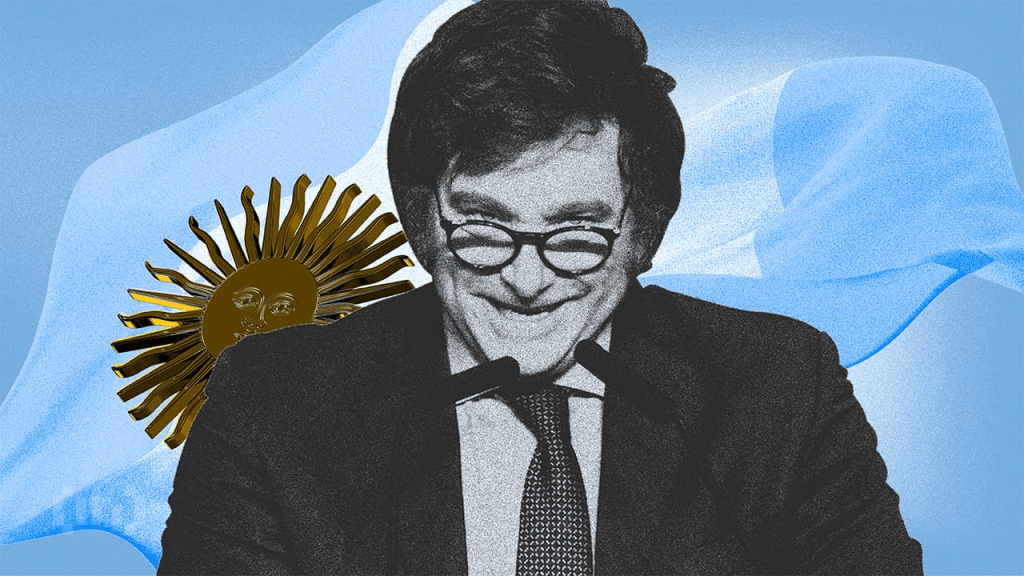
The founder of Cardano, Charles Hoskinson, was summoned to testify by the congressional committee investigating Argentine President Javier Milei over the LIBRA scandal.
The Congressional committee investigating Argentine President Javier Milei’s involvement in the LIBRA scandal published a list of 19 people summoned for their knowledge of the matter.
The list mainly contained the names of politicians, businesspeople, and high-profile investors closely linked to the case shortly after the launch of LIBRA.
While Milei was given five days to provide a detailed written statement and responses to an attached questionnaire, other members of his administration were also summoned.
The cabinet members summoned include Karina Milei, the president’s sister and Secretary General of the Presidency; Chief of Cabinet Guillermo Francos; and Press Secretary Manuel Adorni.
Investors close to the president and the organizers behind last October’s Argentina Technology Forum will also have to respond. These include Argentine trader and businessman Mauricio Novelli and investor and influencer Manuel Terrones Godoy, known on YouTube as “KManuS88.”
A surprising name on the list
According to Congressman Maximiliano Ferraro, president of the Libra investigative committee and member of the opposition party Civic Coalition ARI, only Milei has been formally summoned to testify so far.
He added that the committee will likely publish the schedule of summons for the rest of the people on the list sometime next week.
“At this moment, I am issuing official letters and requests. Surely, tomorrow, some people will be summoned for next week, but nothing has been finalized. I need to discuss it with the committee authorities,” Ferraro in a Spanish-language interview.
The committee included a surprising name at the end of the list. The last person summoned to provide testimony was Cardano founder Charles Hoskinson.
When asked to comment on his summons, Hoskinson said he was unaware of it. He added that he believed the motivations behind the investigation were political and reaffirmed his faith in the current course of action of the government.
“My only statement is that President Milei has been a force for the good of the people of Argentina, and I believe his achievements and track record speak for themselves.”
Although the Cardano founder was critical of the LIBRA launch and the organizational approach of the Argentine Technology Forum, he has doubled down on his commitment to the fintech scene in the South American country.
The Origins of the LIBRA Scandal
Hoskinson has played an active role in cultivating the Cardano ecosystem in Argentina.
In May, Input Output Global, the research firm behind the network, opened its first physical office outside the United States in Buenos Aires. Last December, the founder organized the ratification of the Cardano Constitution at the University of Buenos Aires.
Hoskinson also traveled to the Argentine capital last October to attend the Argentina Technology Forum. The event was highly anticipated, as Milei was scheduled to give a keynote speech. There, Milei met with individuals later associated with the LIBRA scandal, namely Julian Peh, CEO of Kip Protocol, and Novelli.
When the token skyrocketed and then plummeted in February, causing thousands of dollars in losses for retail investors, a political scandal erupted for the Argentine president, who had shared the project on his X account.
Peh, and then Kelsier Ventures CEO, Hayden Mark Davis, came under intense scrutiny after his alleged involvement in promoting the project became public.
Hoskinson went to YouTube to share his experience at the Argentina Technology Forum a day after Libra’s price collapse.
Hoskinson bribery allegations
One day after the launch of Libra, Hoskinson dedicated a video to discuss what had happened. During the live broadcast, he placed extensive emphasis on the event that had taken place five months earlier.
The Cardano founder, interested in expanding operations in the country beyond private sector opportunities, wanted to explore possible public-private partnerships.
He explained that the event organizers, likely referring to Novelli and Terrones Godoy, told him that the Technology Forum would be a good opportunity to have a meeting with the president. That never happened. Instead, Hoskinson got a handshake and a group photo.
According to him, such promises soon turned into requests for bribes.
“We had all these people we encountered along the way who would say, ‘Hey, give us a little something and we can get you a meeting, and magical things can happen,’” Hoskinson recalled in the livestream.
As soon as Hoskinson responded that this would violate the U.S. Foreign Corrupt Practices Act (FCPA), these actors stopped all dialogue with him and his team.
Hoskinson also shared his personal interpretation of the LIBRA scandal. He clarified that he thought Milei was a good person who had surrounded himself with the wrong people.
Why is the testimony of the founder of Cardano key ?
Although the official reasons for Hoskinson’s summons remain unknown, it is likely that investigators find his public statements highly relevant.
People close to the matter said they were surprised that Hoskinson’s name was on the list of those being investigated. Given his understanding of the subject, they said, Hoskinson should have been summoned to testify as an expert.
Although the investigation is not criminal, Ferraro clarified that the 19 people summoned are expected to respond. If they do not, the commission will assess what steps to take next.
“One possibility is, of course, to request the assistance of law enforcement and others, but that will be evaluated by the members of the commission,” Ferraro said, adding, “Of course, everyone has the right to due process and to be represented by a lawyer. They are not obligated to testify against themselves.”
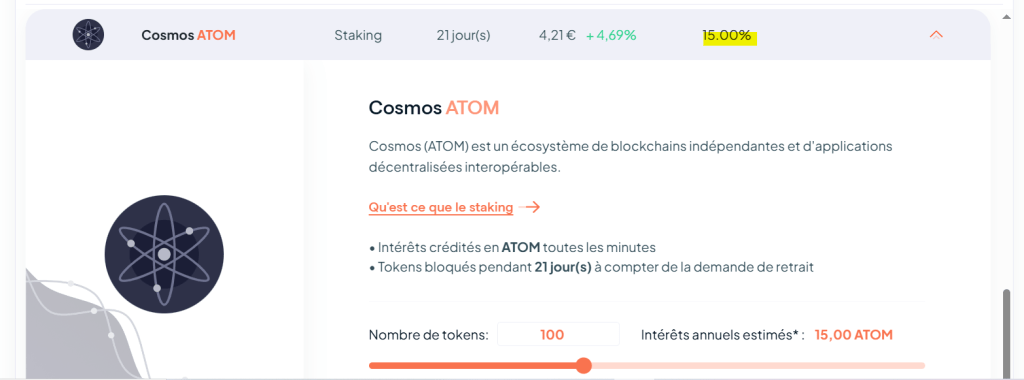
Do you know what staking is ? Staking on the blockchain refers to the process where participants lock up a certain amount of cryptocurrency to support the operations and security of a blockchain network. In return, they earn rewards, typically in the form of additional cryptocurrency. Staking is often associated with proof-of-stake (PoS) or similar consensus mechanisms used by many blockchains.
