
Cardano (ADA) founder Charles Hoskinson announced the integration of Bitcoin (BTC) into the Lace wallet, marking a major milestone for Cardano’s multichain strategy. In a post on X, Hoskinson simply stated, “You can now use Bitcoin with Lace. Welcome home, Bitcoin.”
Developed by IOHK, the Lace wallet’s latest 1.22 update introduces Bitcoin Beta support, allowing users to store and manage BTC directly alongside their ADA assets. This integration, previously unavailable, symbolizes the Lace ecosystem’s expanding role in the broader blockchain space and highlights IOHK’s commitment to blockchain interoperability. Bitcoin is the first non-Cardano asset to be supported, paving the way for future multichain capabilities.
At the upcoming 2025 Bitcoin conference, Cardano’s founder, Charles Hoskinson, will present the first live demonstration of Bitcoin integration on the Cardano blockchain. The Cardano (ADA) community, together with other cryptocurrency specialists, demonstrates significant enthusiasm about this development.
The integration moves at an advanced pace, according to Hoskinson, who added that no governance vote is needed for development teams to proceed with efficiency.This initiative that merges Bitcoin security with Cardano smart contracts enables significant advancements in blockchain interoperability and Defi facilities.
Recent rumors on Bitcoin and Cardano circulated extensively throughout the recent past months but Hoskinson confirmed the plan through a live interview, As this project advanced Cardano’s main objectives, it bypassed the necessity of conducting a formal governance vote which accelerated development timeframes. The integration objectives concentrate on establishing trustless bridges between blockchains because it supports Cardano’s decentralized system development based on research-backed innovation and peer-reviewed technology.
The partnership between Bitcoin security and Cardano flexibility produces a combined framework that will enable new opportunities in decentralized applications and cross-chain asset transfer capabilities.
A core component of this initiative is the creation of a trustless, recursive bridge between Bitcoin and Cardano. Bitcoin transactions through this bridge will interoperate with Cardano smart contracts to enable decentralized transactions without involving intermediate service providers. When paired with Cardano’s Layer 2 solution, Hydra the integration promises to offer faster and more cost-effective translations compared to traditional Bitcoin networks.
Hoskinson explained during an interview how Cardano’s Hydra and Bitcoin’s Lightning Network could work together to solve key issues. The ADA blockchain developers work in tandem with DeFi application builders to deliver upcoming Defi advancements due to Bitcoin’s enhanced quality.
The planned live demonstration of Bitcoin on Cardano represents a groundbreaking moment in blockchain interoperability. The integration of Bitcoin with Cardano platform will solidify their positions within the crypto ecosystem while bringing better network abilities and expanded scalability features to both systems. This fusion of two powerhouse blockchains could reshape the future of DeFi, decentralized applications, and Bitcoin transactions globally.
The BitcoinOS Grail Bridge
The BitcoinOS Grail Bridge is an innovative solution designed to facilitate secure, trustless transfers of Bitcoin (BTC) to other blockchain networks, notably Cardano. Developed by BitcoinOS, the bridge employs zero-knowledge cryptography to enable BTC holders to move their assets without relying on custodians or intermediaries.
Bitcoin and Cardano have very interesting plans and BitcoinOS is an important part of it. BitcoinOS is a solution designed to help Bitcoin handle more transactions without slowing down. While Bitcoin itself can be slow, like a highway with only one lane, BitcoinOS adds extra capacity using “layer-2” (L2) solutions. They’ve developed a ZK-proof technology.
Think of the Bitcoin blockchain as the main highway (layer-1), and L2 solutions as express lanes built on top of it. These express lanes allow transactions to happen quickly, and then they are summarized and recorded back onto the main Bitcoin highway, improving speed and scalability without sacrificing security.
This integration allows Cardano to tap into Bitcoin’s substantial liquidity, providing decentralized programmability and scalability to Bitcoin users. Conversely, it offers BTC holders access to Cardano’s advanced tools and features, such as decentralized applications (dApps) and smart contracts.
By implementing zero-knowledge proof technology, the Grail Bridge aims to enhance security and address vulnerabilities that have affected traditional cross-chain bridges. This approach ensures that asset transfers between Bitcoin and Cardano are both secure and efficient, fostering greater liquidity and investment opportunities within both ecosystems.
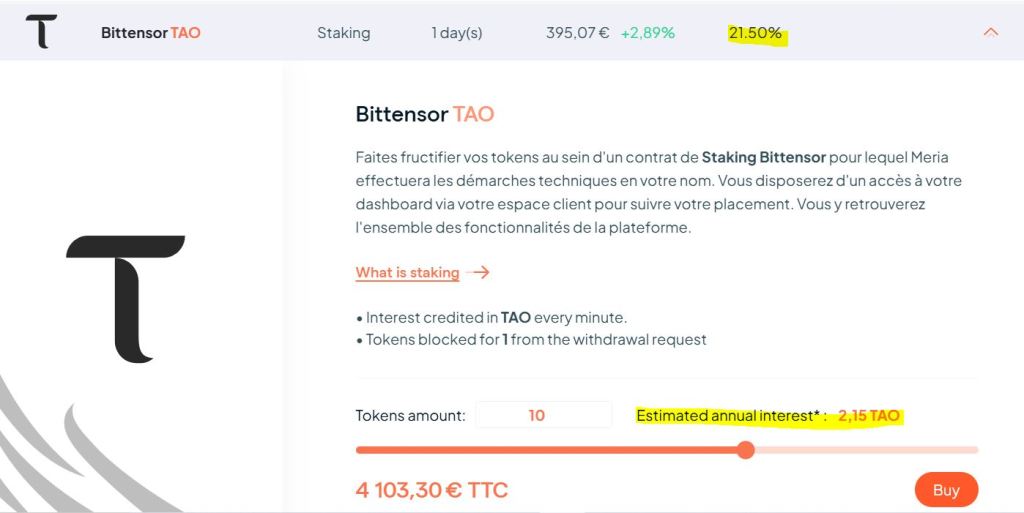
Do you know what staking is ? Staking on the blockchain refers to the process where participants lock up a certain amount of cryptocurrency to support the operations and security of a blockchain network. In return, they earn rewards, typically in the form of additional cryptocurrency. Staking is often associated with proof-of-stake (PoS) or similar consensus mechanisms used by many blockchains.
