

Cardano’s Atala PRISM is a decentralized identity (DID) platform that enables individuals, organizations, and institutions to create, manage, and verify digital identities securely and efficiently on the blockchain. It is designed to provide self-sovereign identity (SSI), allowing users to have complete control over their personal data without relying on centralized authorities.
Atala PRISM addresses major challenges in traditional identity systems, such as data breaches, identity theft, and inefficiencies caused by centralized management. By leveraging blockchain technology, it empowers individuals with control over their digital identities, promotes trust, and reduces costs for organizations in verifying and managing identity-related processes.
Key Cardano Components Relevant to Atala PRISM :
cardano-node: The core component for participating in the Cardano blockchain, facilitating network interactions.
cardano-transactions: A Haskell library and CLI tool for constructing Cardano transactions, used by various Cardano projects.
cardano-wallet: An HTTP API and CLI for managing ADA, Cardano’s native cryptocurrency, simplifying wallet operations.
cardano-db-sync: A component that synchronizes on-chain data into a PostgreSQL database, enabling efficient data queries.
cardano-graphql: Provides a GraphQL interface to interact with the Cardano blockchain, offering a flexible query mechanism.
cardano-rest: An HTTP REST API for accessing Cardano blockchain data, facilitating integration with web services.
Atala PRISM plans to leverage these components to interact with the Cardano blockchain effectively. By utilizing cardano-node for network participation, cardano-transactions for building transactions, and cardano-wallet for managing ADA, Atala PRISM can perform necessary blockchain operations. Additionally, cardano-db-sync, cardano-graphql, and cardano-rest will enable efficient data retrieval and synchronization, ensuring that Atala PRISM can query and manage metadata as required.
This integration ensures that Atala PRISM operates seamlessly with Cardano, leveraging its robust infrastructure to manage decentralized identities effectively.
For a practical demonstration of Atala PRISM in action, you might find the following video helpful:
Identus and Atala PRISM are both related to digital identity solutions, but they serve different purposes and are connected conceptually through the broader goal of enabling secure and self-sovereign digital identities.
Identus
Identus is a broader concept or platform associated with Cardano, focusing on enabling self-sovereign identity ecosystems. It provides tools and frameworks for building identity solutions and may integrate with technologies like Atala PRISM to offer decentralized identity management.
Atala PRISM
Atala PRISM is a specific product under the Atala brand that directly provides decentralized identity (DID) services. It is a practical implementation of the self-sovereign identity principles championed by the Identus ecosystem. Built on the Cardano blockchain, Atala PRISM allows individuals and organizations to create, verify, and manage digital identities securely and efficiently.
The Connection
- Shared Vision:
- Both Identus and Atala PRISM aim to provide self-sovereign identity solutions, empowering users to control their personal data and digital identities.
- Infrastructure Dependency:
- Atala PRISM leverages the Cardano blockchain, which is part of the infrastructure Identus promotes for building decentralized identity ecosystems.
- Complementary Roles:
- Identus acts as a framework or ecosystem concept, while Atala PRISM serves as an operational tool or product within this ecosystem.
- Collaboration Potential:
- While Atala PRISM focuses on DID, Identus can extend its functionality by integrating other identity-related applications, standards, and protocols.
Together, these tools contribute to building a decentralized and interoperable digital identity ecosystem that aligns with Cardano’s goals of fostering security, scalability, and trust in digital interactions.
Cardano Foundation research shows ‘fundamental shift’ in blockchain use
The Cardano Foundation, a nonprofit organization dedicated to advancing Cardano adoption, released an ecosystem guide showcasing how projects on the Cardano blockchain address enterprise needs.
On January 23, 2025, the foundation unveiled the findings of its research, analyzing 582 projects built on the Cardano blockchain. The study highlighted how these projects align with three core verticals: traceability, authenticity, and sustainability.
The research found that 30% of projects were focused on traceability, which the foundation described as creating transparent, immutable records to verify digital and physical assets. Another 15.4% of the projects emphasize sustainability, supporting social and ecological initiatives.
The largest share, 54.6%, focused on authenticity, using secure verification methods to establish identity and legitimacy.
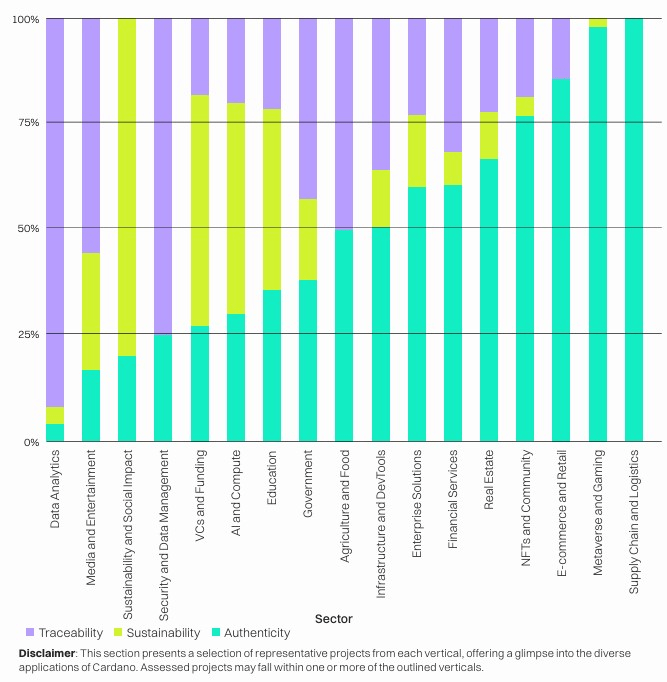
The Cardano blockchain showcases immense potential in addressing real-world challenges, with traceability, authenticity, and sustainability serving as its cornerstone pillars, as highlighted by Cardano Foundation CEO Frederik Gregaard. Traceability ensures transparency and regulatory compliance, fostering consumer trust. Authenticity protects data integrity in sensitive sectors like finance and healthcare, while sustainability aligns with global environmental goals, driving innovation and creating a more equitable ecosystem.
Research on Cardano’s global impact reveals that 70% of its projects are designed for international markets, reflecting the platform’s scalability and versatility. Gregaard emphasizes how blockchain is transforming supply chains through verification mechanisms that track assets from origin to consumer, showcasing its capacity to tackle critical challenges and drive meaningful change across industries and borders.
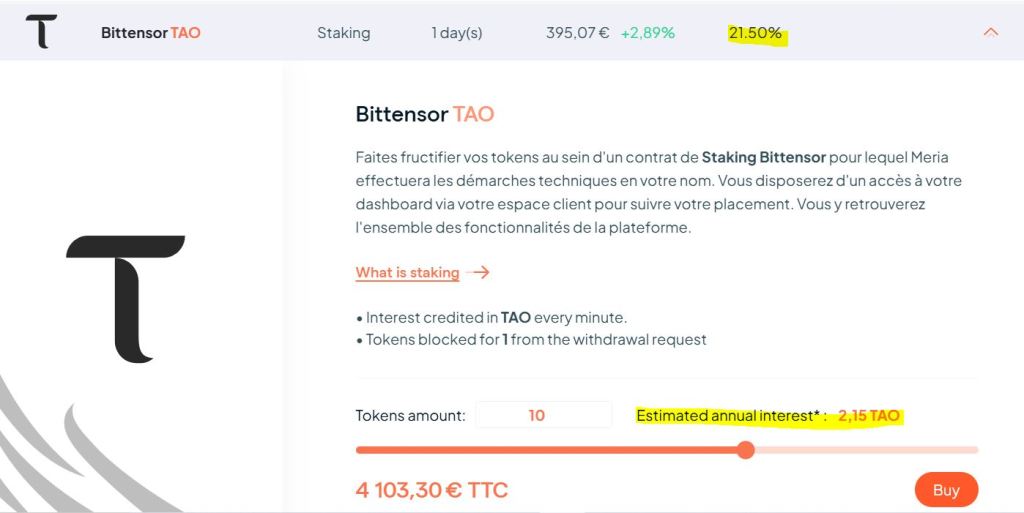
Do you know what staking is ? Staking on the blockchain refers to the process where participants lock up a certain amount of cryptocurrency to support the operations and security of a blockchain network. In return, they earn rewards, typically in the form of additional cryptocurrency. Staking is often associated with proof-of-stake (PoS) or similar consensus mechanisms used by many blockchains.
