
Cardano is revolutionizing gaming with its plugin for Unreal Engine, integrating blockchain technology and digital assets in real time.
The Cardano network is gaining ground in the gaming world with its innovative plugin for Unreal Engine 4 and 5, marking a turning point in the integration of blockchain technology into gaming. This tool allows developers to incorporate on-chain digital assets and decentralized features directly into games, in real time.
Thanks to this integration, players can truly own their digital items, paving the way for much more immersive and personalized gaming experiences. Moreover, Cardano is driving the growth of Web3 gaming, where decentralized marketplaces and in-game transactions take center stage, creating a more transparent and dynamic ecosystem.
With this breakthrough, Cardano not only facilitates the creation of innovative games but also positions its blockchain as a key player in the evolution of digital entertainment.
The Alliance Bringing Video Games into the Blockchain Era
Cardano, one of the most robust and advanced blockchains in the crypto ecosystem, has taken a strategic leap by integrating natively with Unreal Engine 4 and 5 — the graphics engine of choice for AAA game studios and independent projects alike.
With this new plugin, now available to developers, blockchain transactions and records can be executed in real time, without requiring advanced technical knowledge of smart contracts or blockchain infrastructure. This enables any studio, from large companies to indie developers, to integrate Web3 functionalities into their games, democratizing access to the technology and fostering innovation.
The magic of this integration lies in the fact that in-game assets — whether weapons, skins, characters, or currencies — can be registered and verified directly on the Cardano blockchain. This ensures the authenticity and ownership of digital objects and allows players to transfer, trade, or sell their assets both inside and outside of the game, without relying on centralized systems. For example, a player could earn a legendary sword in an RPG and sell it on a decentralized marketplace, receiving ADA or other tokens directly in their wallet — all securely and transparently.
Opening the Door to Decentralized Marketplaces and Tokenized Experiences
One of Web3’s great promises is the creation of open and transparent virtual economies. Thanks to Cardano’s plugin for Unreal Engine, developers can build decentralized marketplaces within their games, where players can trade items, collectibles, and NFTs without ever leaving the virtual world. This model eliminates intermediaries, reduces the risk of illicit transactions, and builds trust within the gaming community.
In addition, the integration allows for unique tokenized experiences. Developers can, for instance, create exclusive game areas or modes accessible only through ownership of a special token. This opens the door to premium events, tournaments with crypto prizes, and personalized rewards — all managed and verified on the blockchain, ensuring transparency and preventing manipulation.
Cardano’s Revolution in Gaming
Cardano’s true revolution in the gaming world is giving players real ownership of their digital assets. Until now, in-game items and currencies ultimately belonged to the game developers, who could modify, restrict, or even delete them. With blockchain, each asset is unique, immutable, and transferable, granting players a level of control and freedom never seen before.
On the other hand, for developers, this integration means new sources of income and business models.
They can create exclusive NFTs, charge commissions for transactions in internal marketplaces, or design premium experiences based on tokens. Additionally, the transparency of blockchain technology reduces illicit operations, improving the reputation and sustainability of projects.
Decentralized Gaming with Cardano and Unreal Engine
The Cardano plugin for Unreal Engine is revolutionizing the way video games are developed, driving an evolution toward fairer, more open, and collaborative gaming. In short, this technical tool allows blockchain technology to be integrated into the most advanced 3D games, positioning Cardano as a key player in the transition toward a decentralized entertainment model—where fun and digital economies intertwine naturally.
Thanks to this partnership, developers now have powerful tools to create innovative mechanics, explore disruptive monetization models, and foster deeper social interactions. The ongoing feedback from the community and the flexibility of the plugin ensure that the technology quickly adapts to the sector’s demands, keeping Cardano and Unreal Engine at the forefront of innovation.
Finally, as more studios adopt this technology, we can expect a boom in games that combine cutting-edge graphics with decentralized economies and personalized experiences. From indie productions to major releases, this integration promises to redefine what it means to play, create, and own in the digital universe.
Expectations for Web3 games are high, and the collaboration between Cardano and Unreal Engine marks a turning point in the industry. Players will enjoy richer, more interactive, and fairer worlds, while developers will discover new opportunities to innovate and connect with their communities.
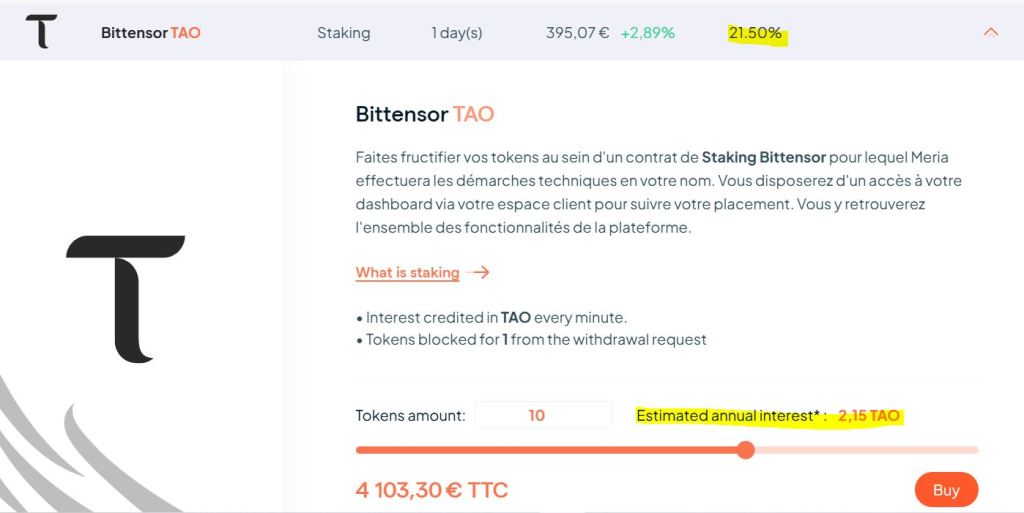
Do you know what staking is ? Staking on the blockchain refers to the process where participants lock up a certain amount of cryptocurrency to support the operations and security of a blockchain network. In return, they earn rewards, typically in the form of additional cryptocurrency. Staking is often associated with proof-of-stake (PoS) or similar consensus mechanisms used by many blockchains.
