
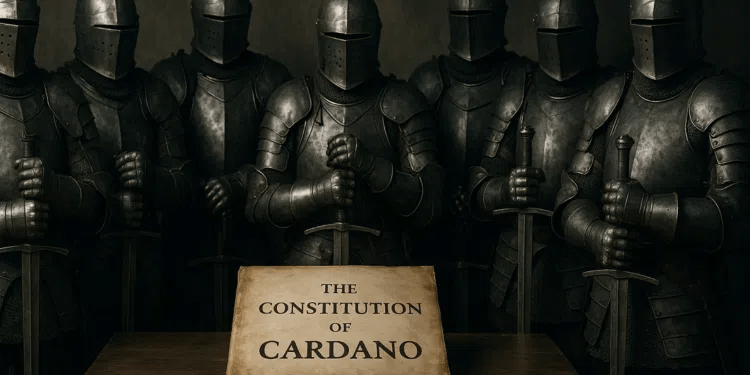
These guardians must ensure that each governance action is aligned with the constitutional principles of the ecosystem.
Cardano already has its seven elected members for the first Constitutional Committee (CC) in its history. The voting process concluded this week, and the preliminary results reveal the names of those who will take on the role of guardians of the Cardano Constitution, marking the end of the transition period following the 2024 Chang upgrade.
The elected members — pending a final audit to be published this Sunday, July 6 — are: Cardano Atlantic Council, Tingvard, Eastern Cardano Council, KTorZ, Ace Alliance, Cardano Japan Council, and Phil_uplc. These individuals and organizations represent a global and diverse community committed to the decentralized governance of the ecosystem.
All votes were recorded on-chain and are being audited by DQuadrant. Key aspects such as voter eligibility, vote integrity, and the final tally are being verified. The definitive validation will enable the execution of a governance action to formalize the new committee on the blockchain.
This committee will replace the Interim Constitutional Committee (ICC), which had operated since September 2024 with appointed members, including representatives from Intersect, Input Output, the Cardano Foundation, and EMURGO. These entities decided not to stand for the new election, in favor of more open and representative governance.
The vote, initially based on the 1 ADA = 1 vote model, was adapted to the delegated representatives (DReps) system. Between June 10 and July 2, voters were able to choose up to seven candidates among 19 applicants, including individuals, consortia, and organizations from across the ecosystem.
The CC Election Committee, made up of constitutional delegates, ICC members, and Intersect staff, led the design of the electoral process. The election included open forums, multilingual documentation, a mandate rotation strategy, and tools for transparency.
Once the results have been ratified by block producers (SPOs) and DReps, the new members will formally assume their duties on September 1, 2025. From then on, constitutional oversight will be entirely in the hands of community-elected representatives.
The guardians of the Cardano Constitution are responsible for reviewing and validating that every governance action aligns with the constitutional principles of the ecosystem. They act as neutral arbitrators, interpret the Constitution in the event of disputes, and ensure the legitimacy of the decision-making process, safeguarding decentralized, transparent governance consistent with Cardano’s founding values.
This milestone consolidates a new stage for Cardano’s governance, as reported by CriptoNoticias at the end of last year when it was decided to implement this new governance model: it aims to achieve effective decentralization with clear rules and guardians chosen by the users themselves.
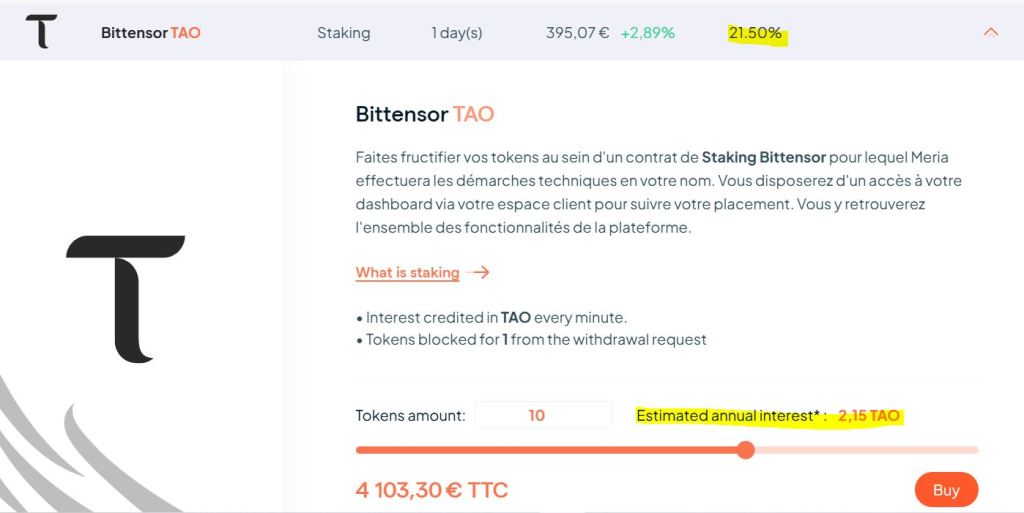
Do you know what staking is ? Staking on the blockchain refers to the process where participants lock up a certain amount of cryptocurrency to support the operations and security of a blockchain network. In return, they earn rewards, typically in the form of additional cryptocurrency. Staking is often associated with proof-of-stake (PoS) or similar consensus mechanisms used by many blockchains.
