

An improved version of Cardano’s existing mainnet is expected to launch in 2026. The aim is to extensively revamp the Cardano ecosystem, which could potentially trigger a long-awaited turnaround for its native token, ADA.
In a recent post shared with X, Input Output Global (IOG), the organization backing Cardano reiterated the network’s long-term vision for the Cardano ecosystem through implementing Leios.
By integrating Leios into the network, IOG intends to increase network throughput by optimizing resource use and transaction processing.
Congestion is a key network limitation observed during periods of high transaction volumes. With block utilization failing, and emerging use cases requiring higher throughput capabilities, Leios is expected to become a game changer.
The Leios upgrade is designed to boost the network’s throughput by optimizing available resources and implementing efficient transaction methods. To sustain data availability and security, Leios will utilize the time between endorsements and Praos blocks—a core component of the network’s Ouroboros POS consensus mechanism.
In the long term, IOG asserts that the upgrade will spearhead overall network growth and accommodate complex applications on the Cardano network.
“Leios aims to significantly increase transaction throughput on the Cardano mainnet – this enhancement will support a growing ecosystem and more demanding applications.” — IOG
With blockchain upgrades come renewed expectations amongst market players, especially for the network’s native token, which happens to be ADA in Cardano’s case.
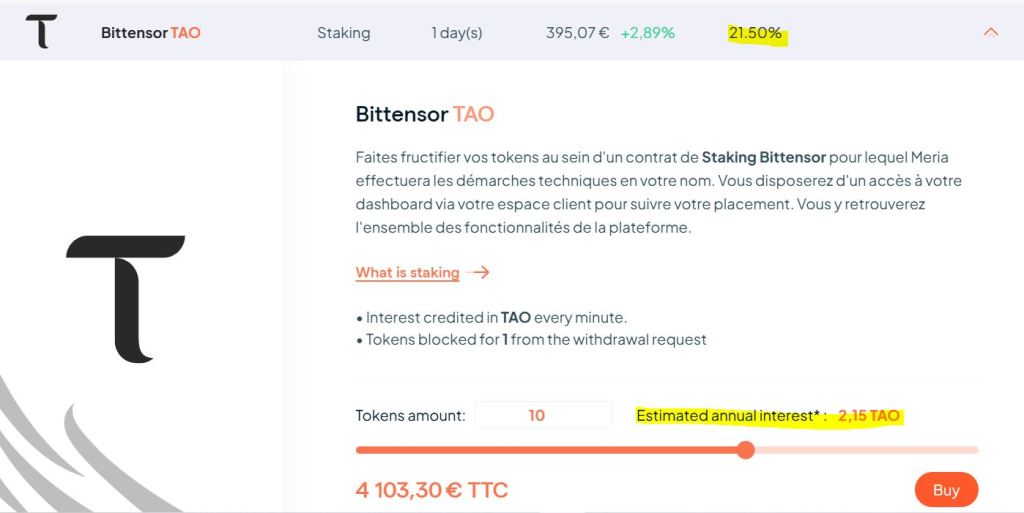
Do you know what staking is ? Staking on the blockchain refers to the process where participants lock up a certain amount of cryptocurrency to support the operations and security of a blockchain network. In return, they earn rewards, typically in the form of additional cryptocurrency. Staking is often associated with proof-of-stake (PoS) or similar consensus mechanisms used by many blockchains.
