
Cardano blockchain network has made major inroads in the gaming industry through its recent integration with Unreal Engine, via a newly released plugin. The integration will allow developers to incorporate the blockchain directly into real-time, immersive gaming environments, etc. This integration could play a big role in expanding the Web 3.0 gaming industry.
Why Cardano And Unreal Engine Integration Is a Game Changer?
With a newly released plugin on GitHub, the Cardano blockchain is now interoperable with Unreal Engine 4 and 5. As a result, Cardano can be part of Unreal’s real-time gaming environment by unlocking innovative use cases for blockchain technology within the gaming industry. This integration unlocks some of the key features, including:
- On-chain assets in 3D worlds: This allows for seamless integration of blockchain-based assets into interactive virtual environments.
- In-game marketplaces: The integration will allow the creation of decentralized Web 3.0 gaming marketplaces for trading in-game items directly within games.
- Token-gated experiences: Offering exclusive access to specific game features or areas, secured by blockchain tokens.
- Native wallet interactions: Direct wallet functionalities for users, streamlining transactions and asset management.
Penetrating the Gaming Sector
Blockchain platforms are now working to close the gap with the rapidly emerging gaming industry, with a push for decentralized Web 3.0 gaming. Although the integration plugin is still in the early stage of development, the project focuses on enabling wallet and transaction functionalities within the popular game development platform. GameFi is already gaining traction this year in 2025, with Immutable, GALA, The Sandbox, and other emerging as the best GameFi tokens in the market.
Moreover, the plugin will support token and NFT-related projects, allowing developers to incorporate blockchain-based assets and transactions seamlessly into their Unreal Engine creations. This breakthrough positions Cardano as a formidable player in the blockchain gaming sector, enhancing its appeal to developers and expanding its utility in digital ecosystems.
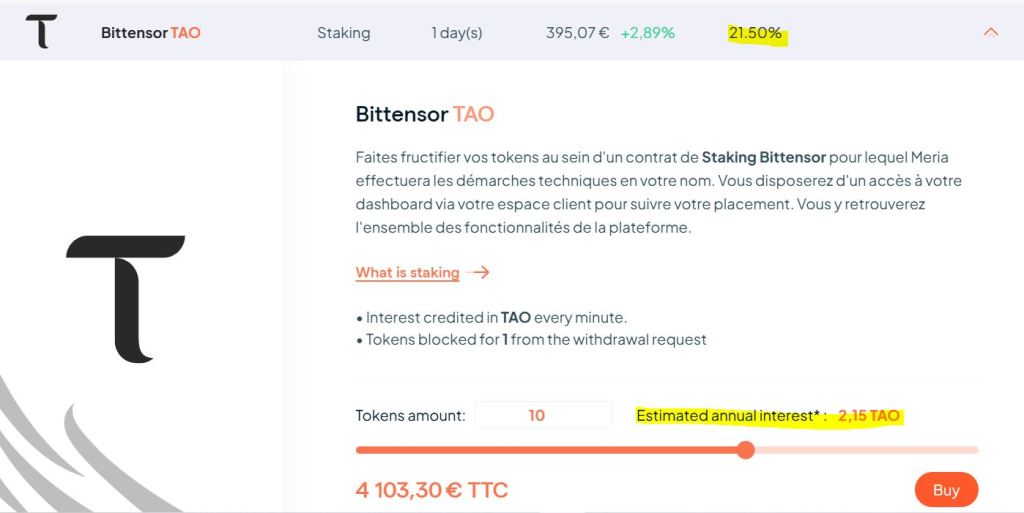
Do you know what staking is ? Staking on the blockchain refers to the process where participants lock up a certain amount of cryptocurrency to support the operations and security of a blockchain network. In return, they earn rewards, typically in the form of additional cryptocurrency. Staking is often associated with proof-of-stake (PoS) or similar consensus mechanisms used by many blockchains.
