

Cardano has surpassed Ethereum in total number of development commits over the past year, according to GitHub data.
The battle between major cryptocurrencies continues. GitHub data shows that Cardano (ADA) has beaten Ethereum (ETH) in terms of total development commits over the past year, according to Olivia Brooke at ZyCrypto.
Cardano leads all blockchains in GitHub activity, with a total of 21,258 developer commits over the last year across 550 main repositories. Meanwhile, Ethereum, its more established competitor, comes in second with 20,950 total commits in the same period.
The Cardano ecosystem has continued to thrive, with 38 projects in development and 3,888 public GitHub repositories on the network.
In the past week, Cardano-based initiatives recorded a notable increase in participation, with 245 individual developers contributing — a 0.39% increase compared to the previous month.
These individual developers made 1,914 commits to the network, which represents a 4% decrease compared to the previous month.
It’s worth noting that GitHub activity for blockchain projects typically reflects the stages and levels of development present within a specific blockchain network. Ongoing activity indicates developer commitment and the overall health of the projects.
An increase in developer activity usually signals that an ongoing project is undergoing necessary changes or improvements. Conversely, a drop in network activity might indicate a lack of interest in a network project.
Although Cardano may not retain this position next week — as GitHub development activity on other networks is also high — this new milestone confirms the generally positive perception of the Cardano ecosystem.

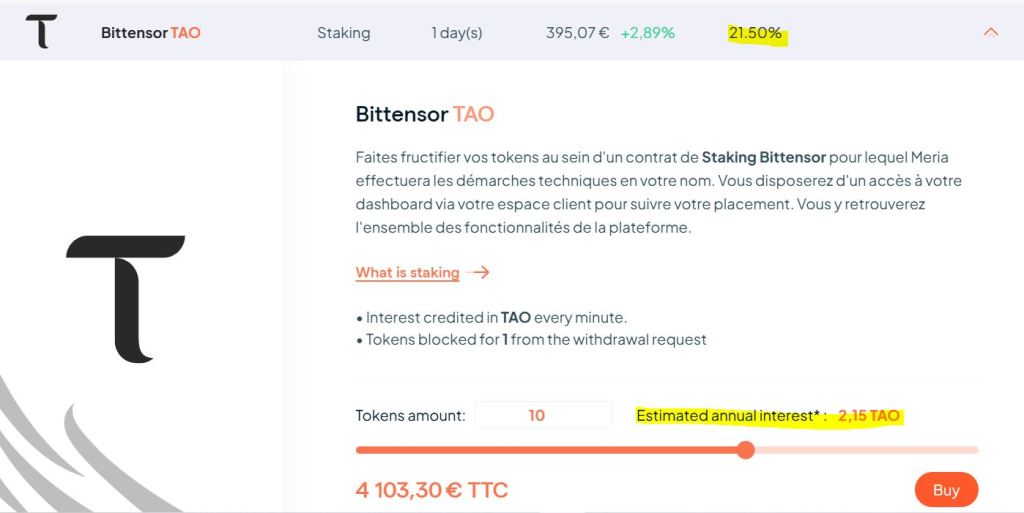
Do you know what staking is ? Staking on the blockchain refers to the process where participants lock up a certain amount of cryptocurrency to support the operations and security of a blockchain network. In return, they earn rewards, typically in the form of additional cryptocurrency. Staking is often associated with proof-of-stake (PoS) or similar consensus mechanisms used by many blockchains.
