

The U.S. Securities and Exchange Commission (SEC) will decide on May 29, 2025, whether to approve, reject, or delay a Cardano (ADA) exchange-traded fund (ETF) proposed by Grayscale. Data from Polymarket shows a 71% chance of approval, the highest ever, meaning investors are hopeful it will be approved.
Grayscale applied for this ETF in February 2025, and the SEC noted it on February 24. As per the reports, the SEC must make its final decision on the Cardano ETF by 22nd October, 2025. There are also chances that the SEC could delay or extend the process.
If the SEC approves, this ETF would let people invest in Cardano without owning the actual cryptocurrency. This will make it easier and more appealing for both big and small investors. This approval will also increase investor confidence, making it more popular among them.
In the past, when Bitcoin and Ethereum got ETF approvals, their prices went up a lot. A Cardano ETF could bring in a lot of new money. This initiative will also make ADA more popular and valuable.
Experts are excited about ADA’s price, which is now $0.77. They see signs it could rise soon. It is also predicted that the ADA could reach $1.3 to $1.5 soon, with a main target of $1.9, and possibly even $2.5 if many people keep buying it.
Technical signals, like shorter EMAs (which track price trends) nearing a bullish crossover, suggest the price could go up soon. The data also highlights that more people are buying Cardano, supported by data over the past 90 days.
Experts are predicting that it will increase 27.73% to about $0.9819 by 25th June, 2025. Still, cryptocurrencies like Cardano are risky and can have big price swings as the crypto market keeps changing, so investors should be cautious.
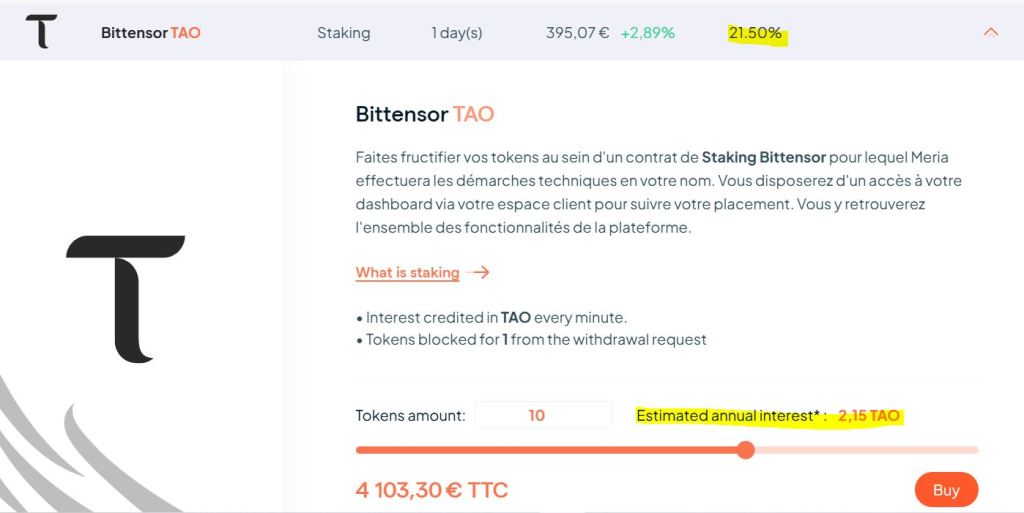
Do you know what staking is ? Staking on the blockchain refers to the process where participants lock up a certain amount of cryptocurrency to support the operations and security of a blockchain network. In return, they earn rewards, typically in the form of additional cryptocurrency. Staking is often associated with proof-of-stake (PoS) or similar consensus mechanisms used by many blockchains.
