
Analyst Alex Becker prefers Cardano over Solana due to its growth potential.
Cardano’s LEOs upgrade aims to increase speed without compromising security.
The U.S. strategic reserve includes Cardano, highlighting its resilience.
Cardano (ADA) is currently trading with a significantly lower market capitalization than Solana (SOL), but some analysts believe ADA has a higher short-term return potential. At the end of May, Cardano’s price ranged between $0.735 and $0.765, down from a recent high above $0.83 on May 23.
Meanwhile, Solana has maintained a price close to $174.76, with a market capitalization near $91 billion, compared to Cardano’s valuation of under $28 billion. This market disparity has led to varied projections from cryptocurrency analysts regarding the future performance of both tokens.
Cardano Analysts’ Perspectives on Cardano and Solana
Among the prominent voices, YouTuber and crypto analyst Alex Becker recently shared his views on several altcoins, including Cardano and Solana. Becker acknowledged that both ADA and SOL are strong blockchain platforms, but he suggested that Cardano might offer greater upside potential in the current cycle.

He classified Ethereum as a more conservative investment but positioned ADA as offering a potential 5x to 8x return compared to its current price level. For example, an 8x increase would place ADA around $6.10—a significant rise from current trading levels.
While acknowledging Solana’s past performance and market stability, Becker recommended that investors consider ADA and other mid-cap tokens like Sui for higher-risk, higher-reward opportunities. He emphasized that Solana’s resilience and potential remain intact but leaned toward Cardano for those seeking more aggressive gains.
Becker also mentioned Avalanche (AVAX) and Chainlink (LINK) in his analysis, highlighting AVAX’s expected growth tied to the sports and gaming sectors, and Chainlink’s utility, which he noted is often overlooked by market participants.
Becker’s stance on Cardano has remained bullish despite his critical remarks about the Cardano community. In early March, he predicted that ADA could reach $5—a forecast he later reinforced after accumulating significant ADA holdings.
His subsequent comments framed ADA as “extremely bullish,” underlining Cardano’s technical strengths and undervaluation. Becker noted Cardano’s speed, decentralization, and well-thought-out design compared to other blockchains, stating that he saw ADA as an “easy bet” capable of reaching between $3 and $5 in the medium term.
Cardano Development and Market Position
Echoing analysts’ sentiment, Cardano founder Charles Hoskinson commented on the token’s place in the broader crypto ecosystem. In a podcast interview in March, Hoskinson compared ADA and XRP to resilient, top-tier assets. He contrasted them with Solana, which he described as “average.”

Hoskinson Highlights U.S. Government’s Selection of Strategic Crypto Assets
Charles Hoskinson emphasized that the U.S. government has selected five cryptocurrencies for its strategic reserve: Bitcoin, XRP, Solana, Ethereum, and Cardano. He attributed Cardano’s inclusion to the longevity of ADA and its resilience during market downturns.
While recognizing Solana and Ethereum as leading smart contract platforms, he maintained that Solana occupies a middle ground compared to Cardano and others.
Upcoming Cardano Upgrades and Market Impact
Looking ahead, Cardano’s upcoming LEO upgrade could play a major role in shaping its future. Leading analysts, including JRNY TV on YouTube, believe the upgrade will enable Cardano to process approximately 1,500 transactions per second. This advancement would allow for increased throughput without compromising the blockchain’s core principles of decentralization and security.
With this speed boost, users would benefit from lower costs and an improved network experience—potentially attracting more decentralized applications (dApps) to the platform. Thanks to this upgrade, Cardano could rival Solana in terms of transaction speed, while continuing to offer superior asset protection.
Cardano is also set to benefit from two additional developments: the Midnight airdrop, which supports private smart contracts, and the integration of wrapped Bitcoin (wBTC) to encourage liquidity. As the market matures, many institutions are expected to take a greater interest in ADA, especially in anticipation of spot ETFs.
LEO Upgrade and Ecosystem Growth Outlook
The upcoming LEO upgrade is expected to increase Cardano’s throughput to around 1,500 transactions per second without sacrificing decentralization or security. YouTube analyst JRNY TV has called this upgrade a turning point for user experience, transaction speed, and the performance of decentralized applications.
If successful, the upgrade could allow Cardano to match Solana in speed while maintaining a more conservative and secure infrastructure.
Other notable developments include the Midnight airdrop, designed to enable private smart contracts, and the integration of wrapped Bitcoin, aimed at boosting network liquidity. Analysts believe these enhancements could attract institutional interest, especially as discussions around potential spot ETFs gain traction.
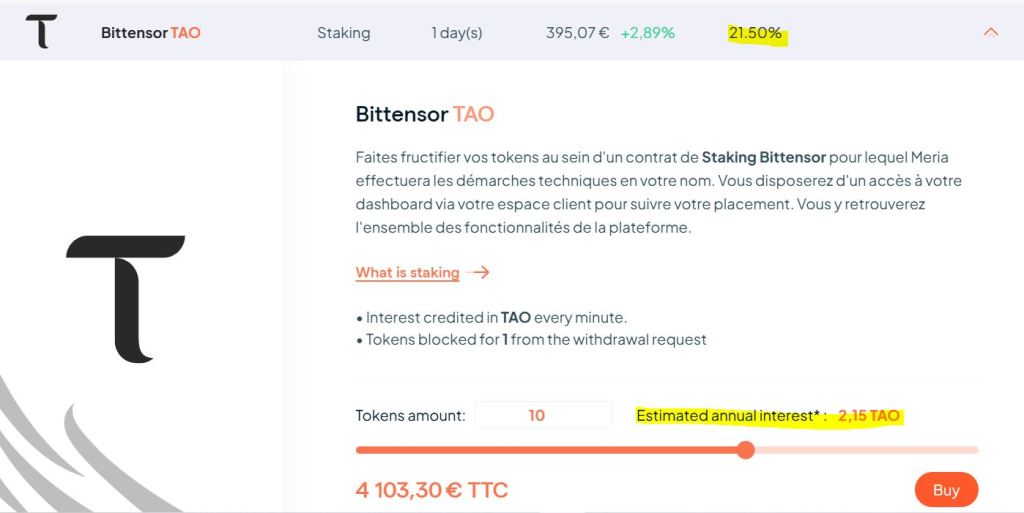
Do you know what staking is ? Staking on the blockchain refers to the process where participants lock up a certain amount of cryptocurrency to support the operations and security of a blockchain network. In return, they earn rewards, typically in the form of additional cryptocurrency. Staking is often associated with proof-of-stake (PoS) or similar consensus mechanisms used by many blockchains.
