

The news that Cardano will offer free integration for RLUSD is no small matter. On one hand, we have Cardano—a blockchain platform known for its security, sustainability, and strong focus on research and scientific development. On the other, Ripple—renowned for transforming global payments and for its XRP Ledger, the technological foundation of RLUSD. The RLUSD stablecoin represents a key advancement for Ripple, as it is a dollar-pegged stablecoin that enables near-instant settlements, low fees, and the ability to collateralize tokenized real-world assets.
Hoskinson’s gesture of offering this integration at no cost reflects not just a technical stance, but also a strategic vision aimed at fostering cooperation between ecosystems. The union between Cardano and Ripple aims to create synergies that benefit both communities, expanding DeFi opportunities, improving liquidity, and strengthening mass adoption.
Why is RLUSD crucial for the growth of DeFi on XRP and Cardano ?
Stablecoins are an essential component in the DeFi ecosystem. They allow users and businesses to operate with digital assets that maintain a stable value, avoiding the inherent volatility of other cryptocurrencies like BTC or ETH. RLUSD has a significant advantage, as it is based on the efficient and scalable infrastructure of the XRP Ledger, designed for fast and low-cost settlements.
For XRP, RLUSD is the tool that enables diversification in DeFi, opening the door to new financial products, from loans to decentralized markets and the collateralization of traditional assets. Cardano, with its robust infrastructure and growing community, represents the ideal environment to expand the use of RLUSD, offering developers fertile ground to build DeFi applications that leverage the stability and speed of the new stablecoin.
Furthermore, the arrival of RLUSD would fill a gap in Cardano’s stablecoin sector, where all current projects have failed spectacularly. The clearest example is DJED, Cardano’s native stablecoin, promoted by Hoskinson himself, which has been unable to take off in any way, with a TVL of just over 3 million dollars. This reality undermines all attempts at DeFi growth on Cardano, which is clearly reflected in the chain’s small DeFi TVL: 363 million dollars. The failure is so significant that even Bitcoin, with less time in the DeFi sector, has a TVL of 6.5 billion dollars and a well-established stablecoin in its ecosystem: Tether (USDT), which, by the way, was originally launched on Bitcoin.
How could the integration be implemented ?
Although the conversations are still in a preliminary stage, different options are already being analyzed to integrate RLUSD into Cardano. One of the explored avenues is using the LayerZero routing infrastructure, a cross-chain solution that allows seamless communication between blockchains. This technology would facilitate the use of RLUSD across different networks, benefiting interoperability and maximizing the utility of the stablecoin.
On the other hand, there is the option of issuing RLUSD directly on Cardano, which would mean that the native stablecoin operates under Cardano’s rules and protocols, taking advantage of its strengths in security and energy efficiency. This approach could simplify access for Cardano users and provide greater advantages in terms of speed and transaction cost.
Deciding between these options requires evaluating factors such as scalability, security, user experience, and compatibility with existing systems. Hoskinson has made it clear that the integration must make sense for both communities and align with their technical and strategic goals.
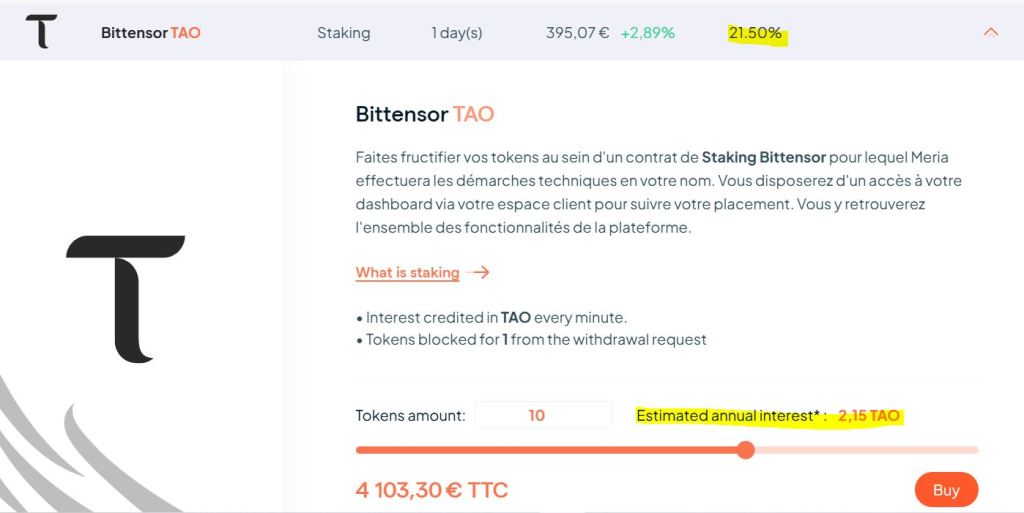
Do you know what staking is ? Staking on the blockchain refers to the process where participants lock up a certain amount of cryptocurrency to support the operations and security of a blockchain network. In return, they earn rewards, typically in the form of additional cryptocurrency. Staking is often associated with proof-of-stake (PoS) or similar consensus mechanisms used by many blockchains.
