

On May 22, Charles Hoskinson, founder of Cardano, shared a decisive message that could mark a turning point in the race for Layer 1 blockchain supremacy. Highlighting five projects integrated into Cardano’s roadmap, he outlined a future where scalability, privacy, lightweight nodes, and decentralized governance converge into a cohesive platform. It’s an ambitious statement of intent, backed by concrete technologies currently being rolled out.
A Unified and Modular Architecture: Midgard, Hydra, Mithril, Leios, and Starstream
Charles Hoskinson speaks of a “unified vision” in which several technological components interact synergistically:
- Midgard: an orchestration layer designed to coordinate blockchain processes, including network resource management and distributed computation.
- Hydra: an off-chain scaling solution that allows the opening of “Hydra heads” for parallel transactions without overloading the main chain.
- Mithril: an aggregated signature protocol, designed to enable access to the blockchain via lightweight clients without the need to download the entire history.
- Leios: an upgrade to the Ouroboros consensus protocol, aiming to massively increase transaction throughput.
- Starstream: a fast and reliable synchronization channel for block propagation across the network.
These modules are not isolated: they are designed to interconnect, enabling Cardano to remain performant, secure, and flexible under all usage conditions.
Leios and the Quest for Scalability Without Compromise
The promise of Ouroboros Leios lies in a revolutionized approach to block processing. Instead of waiting for each block to be validated before producing the next, Leios introduces a parallel validation pipeline, reducing finalization time.
“Simulations show a processing capacity of 11,000 transactions per second— a threshold few blockchains can claim to reach without sacrificing decentralization.”
In comparison, Ethereum struggles to exceed 30 TPS on its main layer. Leios could therefore give Cardano a significant competitive edge in high-volume dApps (gaming, finance, social networks).
Mithril: Blockchain for everyone, even on mobile
One of the barriers to blockchain adoption remains the requirement for users to run a full node in order to securely validate or interact with the network.
Mithril addresses this issue by allowing lightweight clients (such as mobile wallets) to benefit from fast, decentralized validation without compromising security, thanks to aggregated signatures.
This paves the way for broader use of Cardano in regions with limited computing power, reinforcing its mission of digital inclusion.
Midnight: Privacy at the Core of Sensitive Use Cases
Cardano also aims to address the growing demand for privacy, whether in finance, healthcare, digital identities, or official documents.
The Midnight project introduces a native privacy layer, leveraging zero-knowledge proofs.
This allows users to finely control the disclosure of their data without compromising security or regulatory compliance.
Decentralization: Cardano Claims Ethical and Technical Superiority
Another pillar of Hoskinson’s vision is robust and democratic governance, made possible by the Ouroboros protocol and staking mechanisms.
Unlike Bitcoin (concentrated among a few mining pools) or Ethereum (still transitioning to PoS), Cardano offers a more balanced distribution of validation power among its participants.
Hoskinson suggests that this approach gives Cardano greater resilience against censorship attempts, while also fostering community-driven evolution, as demonstrated by its integrated treasury and voting system.
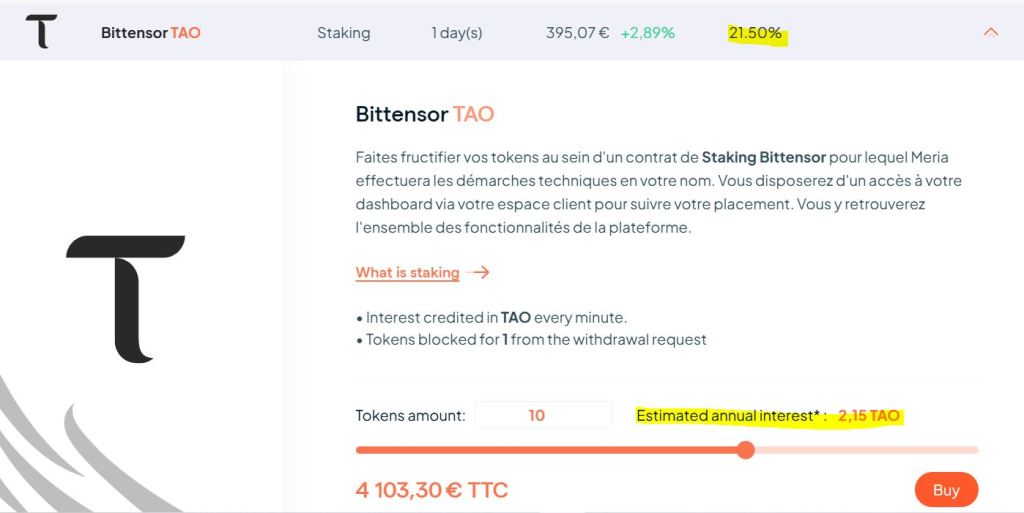
Do you know what staking is ? Staking on the blockchain refers to the process where participants lock up a certain amount of cryptocurrency to support the operations and security of a blockchain network. In return, they earn rewards, typically in the form of additional cryptocurrency. Staking is often associated with proof-of-stake (PoS) or similar consensus mechanisms used by many blockchains.
