
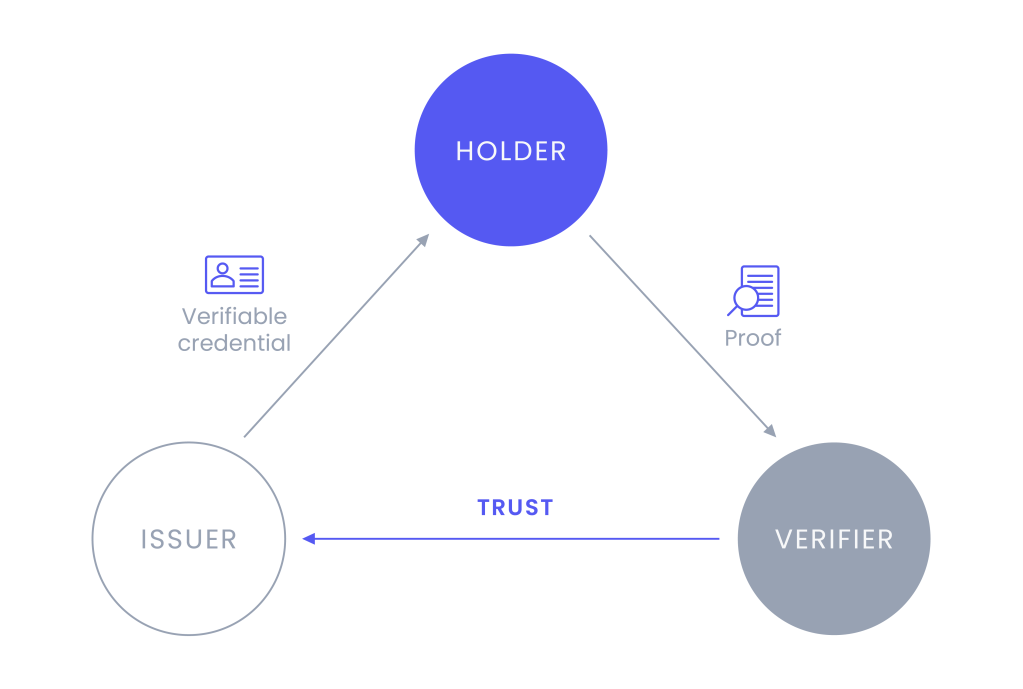
Built on Cardano as a distributed ledger, Hyperledger Identus offers core infrastructure for issuing DIDs (Decentralized Identifiers) and verifiable credentials. It also includes an innovative toolset that facilitates the creation and management of DIDs and supports the issuance, updating, and revocation of verifiable credentials. With this technology, users can securely and efficiently manage their digital identities while ensuring the integrity and authenticity of their credentials.
Hyperledger Identus is deeply rooted in the concept of self-sovereign identity (SSI), a powerful feature that empowers users to control their identity and personal information. With SSI, users can selectively disclose their data using asymmetric cryptography, giving them full control over their digital identity.
SSI introduces new concepts that flip the existing identity models. The control shifts from the central authorities to the edges, with individuals. SSI is a set of principles that leverage decentralized identity technology. Sovrin compiled a list of the principles in an easy-to-digest format, available here.
The World Wide Web Consortium (W3C) organization has been setting the standards for the Internet as we know it. Similarly, they are also working on next-generation technologies such as decentralized identity. In July 2022, the W3C approved the DID specification to become a recommendation.
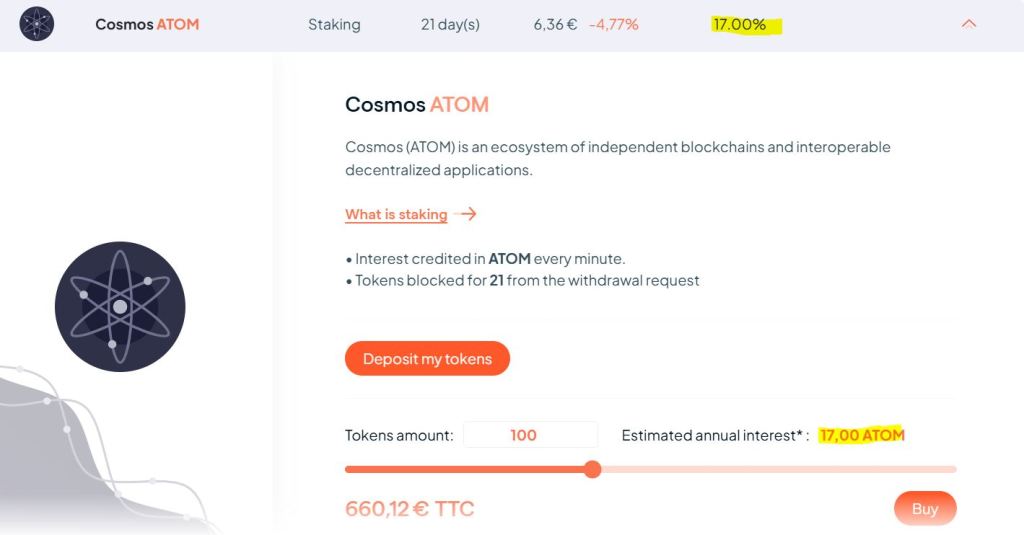
Do you know what staking is ? Staking on the blockchain refers to the process where participants lock up a certain amount of cryptocurrency to support the operations and security of a blockchain network. In return, they earn rewards, typically in the form of additional cryptocurrency. Staking is often associated with proof-of-stake (PoS) or similar consensus mechanisms used by many blockchains.

Do you know what staking is ? Staking on the blockchain refers to the process where participants lock up a certain amount of cryptocurrency to support the operations and security of a blockchain network. In return, they earn rewards, typically in the form of additional cryptocurrency. Staking is often associated with proof-of-stake (PoS) or similar consensus mechanisms used by many blockchains.
Partners :
Cardano Use Case : Creation of a custom academic credentialing solution with Identus
